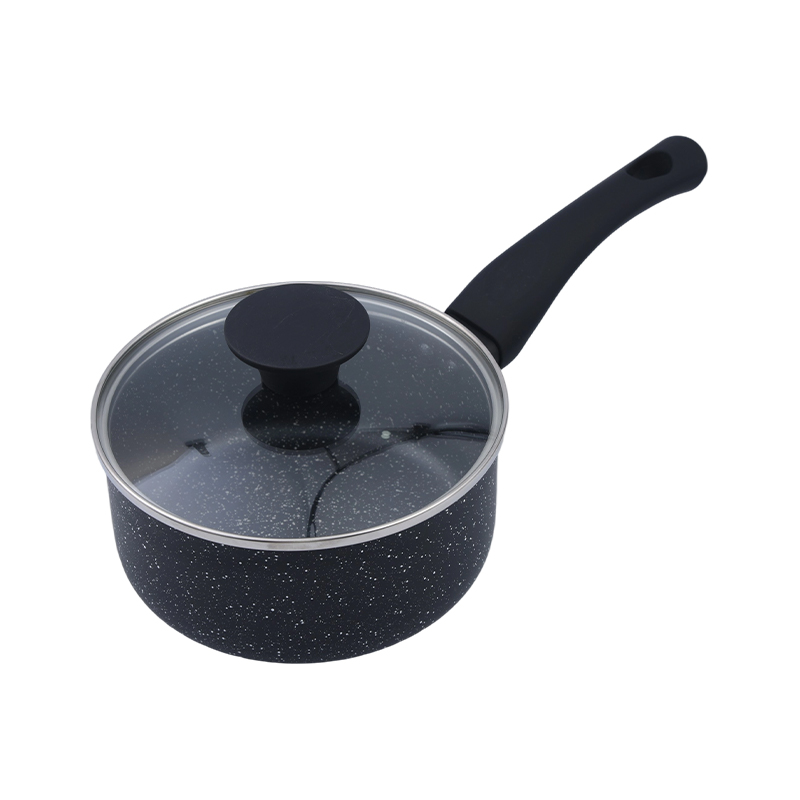
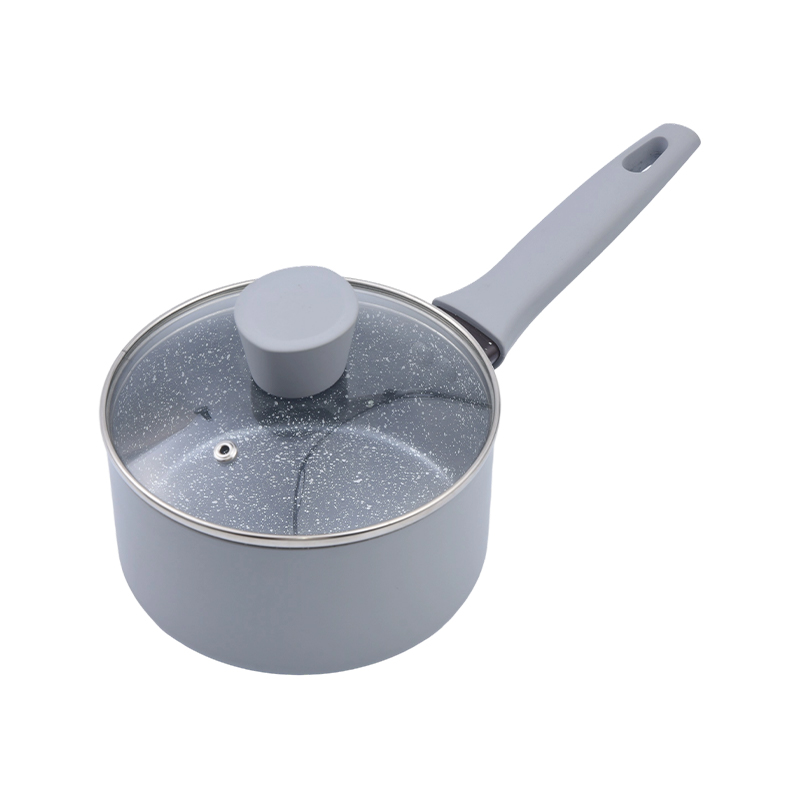
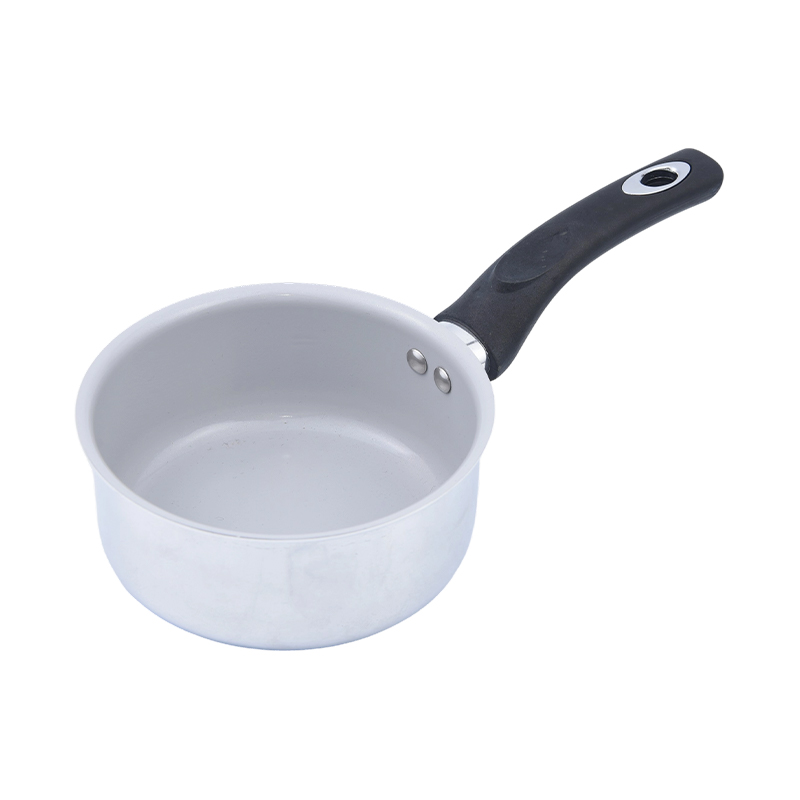
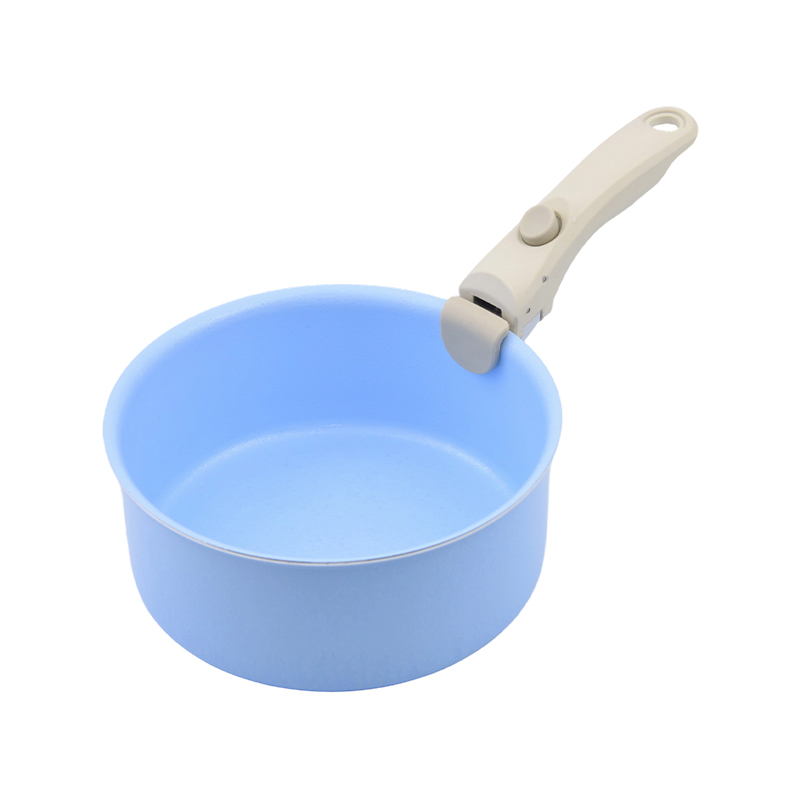
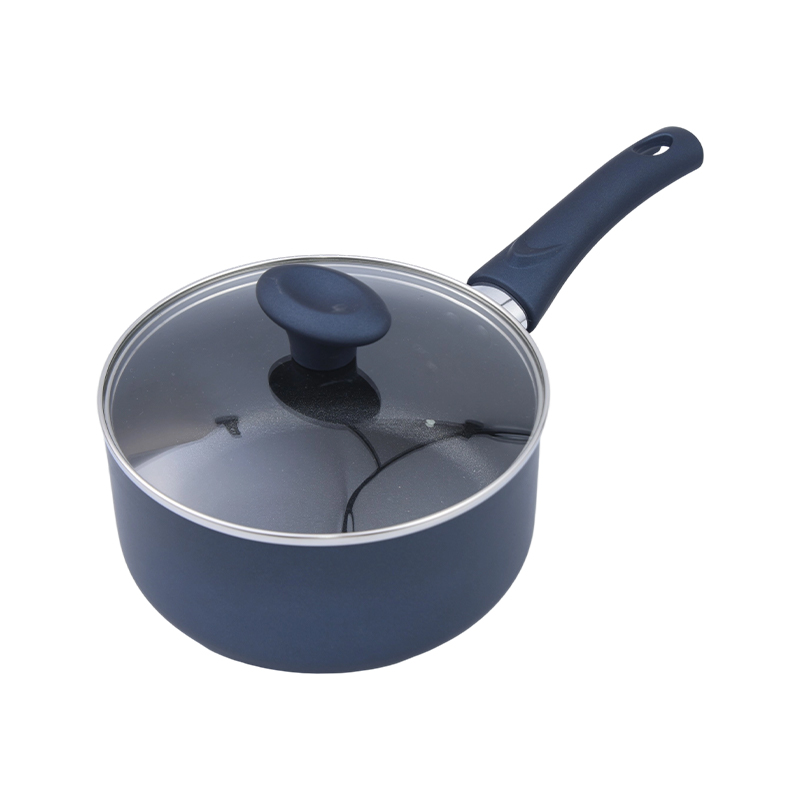
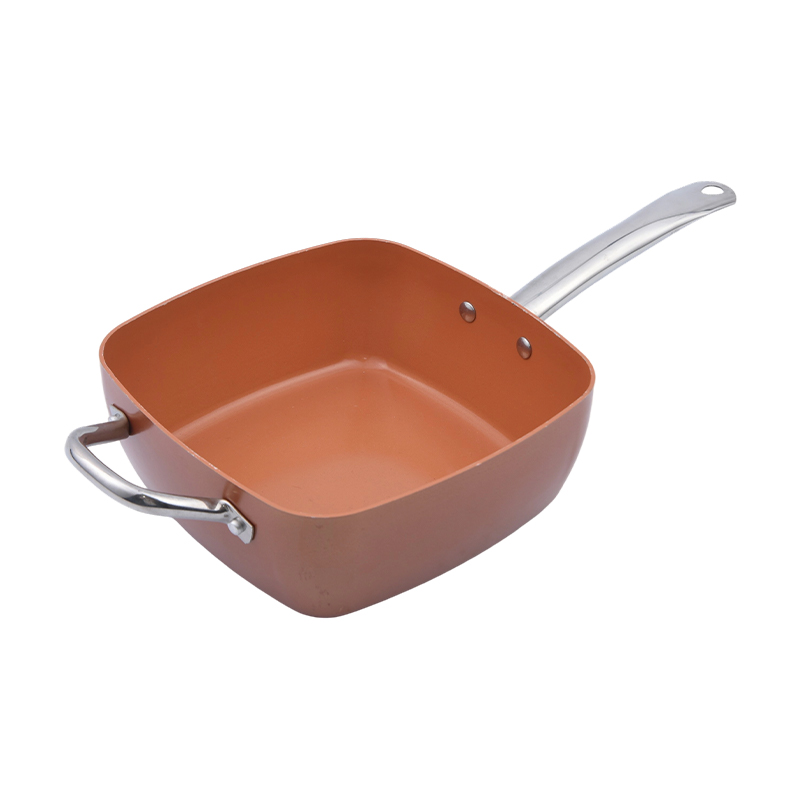
Stretchable milk pans are widely used in daily household cooking. They are suitable for heating and cooking small-volume foods, such as heating milk, boiling eggs, cooking noodles, heating porridge, melting milk powder, and mixing sauces. Stretchable milk pans are usually equipped with a diversion port or a graduated inner wall to facilitate pouring out liquids and accurately control the amount. Some products are also equipped with a visible pot lid and double-layer handles to enhance practicality and safety. It is moderate in size, light and easy to operate, and is particularly suitable for families with infants and young children, small kitchens, or single users. It can be used for open flames, and can also be adapted to a variety of heat sources such as induction cookers and electric ceramic stoves.
Coming From China, Marketing To The World.
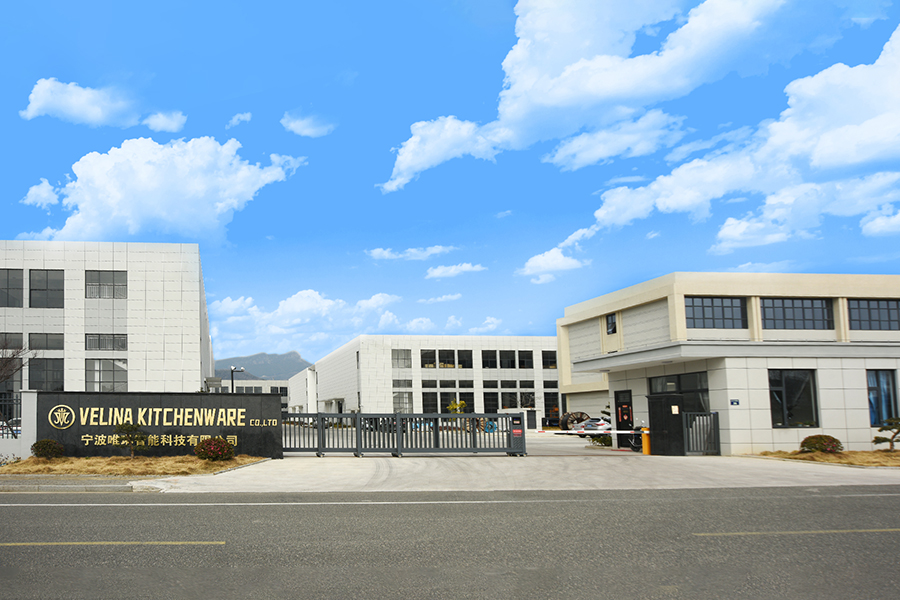
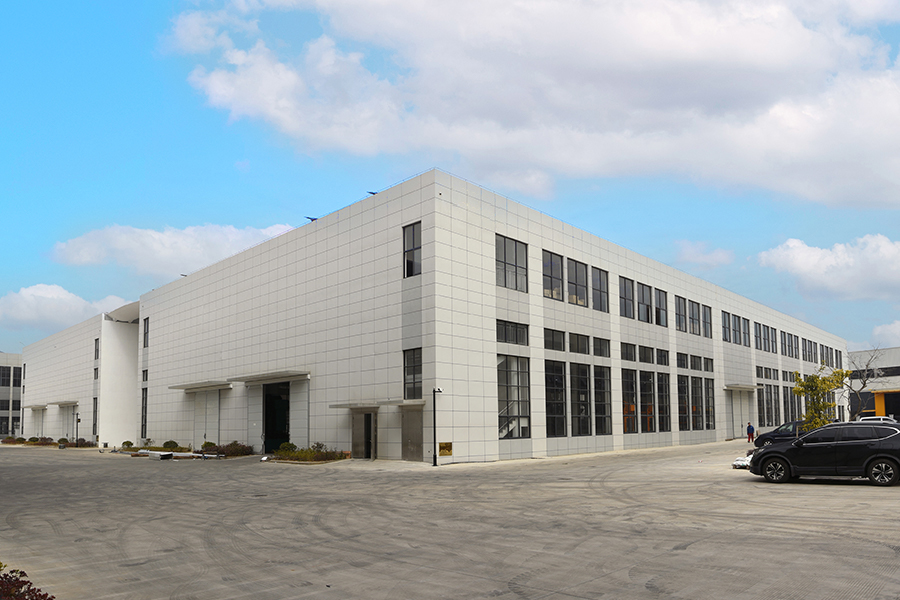
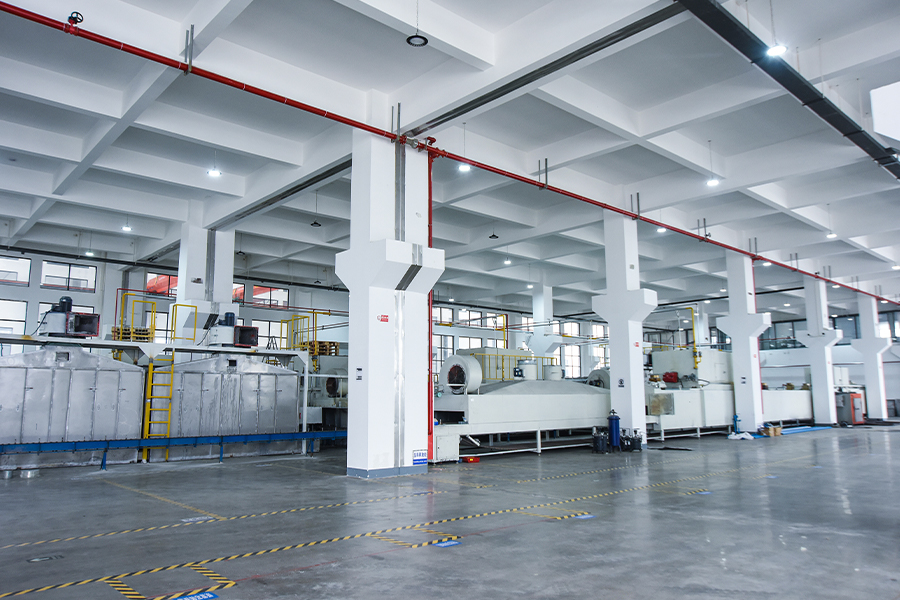
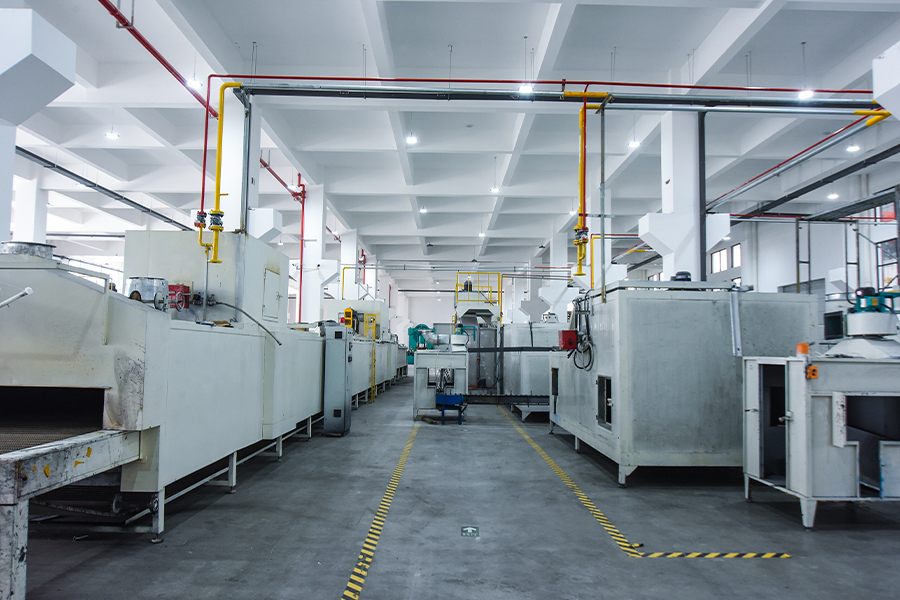
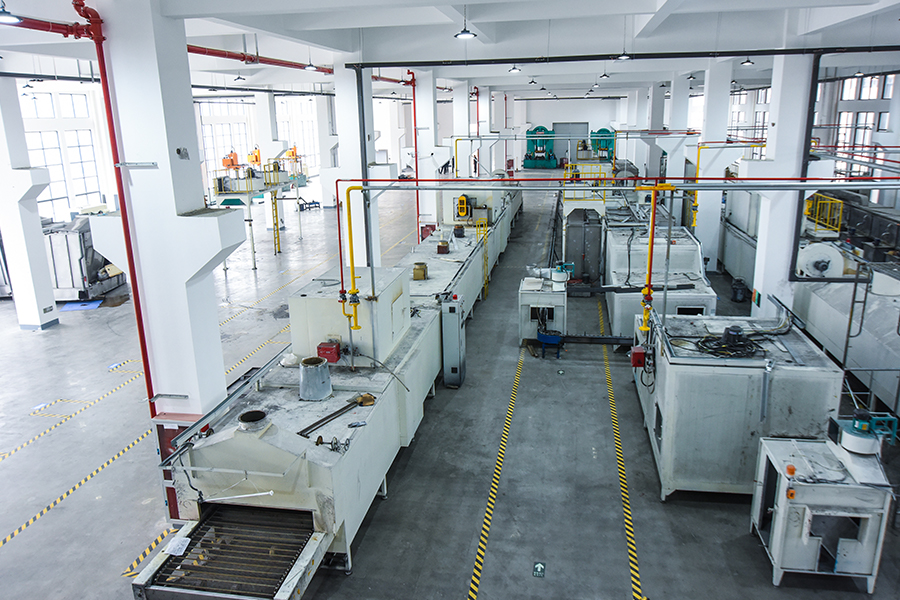
located in the rising seaport city of Ningbo. It is professional China Pressed Aluminum Sauce Pan Manufacturers and Wholesale Pressed Aluminum Sauce Pan Factory engaged in the production of mid and high-grade Pressed Aluminum Sauce Pan. It expected productive capacity is 400000 pieces per month. VELINA emphasizes controlling both productive processing and raw materials. The quality of cookware is mid to high. grade with a reasonable price by right of advanced productive facilities and specialized technical talent. NINGBO VELINA KITCHENWARE CO., LTD. is a rapidly developing factory. Support ODM/OEM. We hope we can join hands to create a refulgence and bright future.
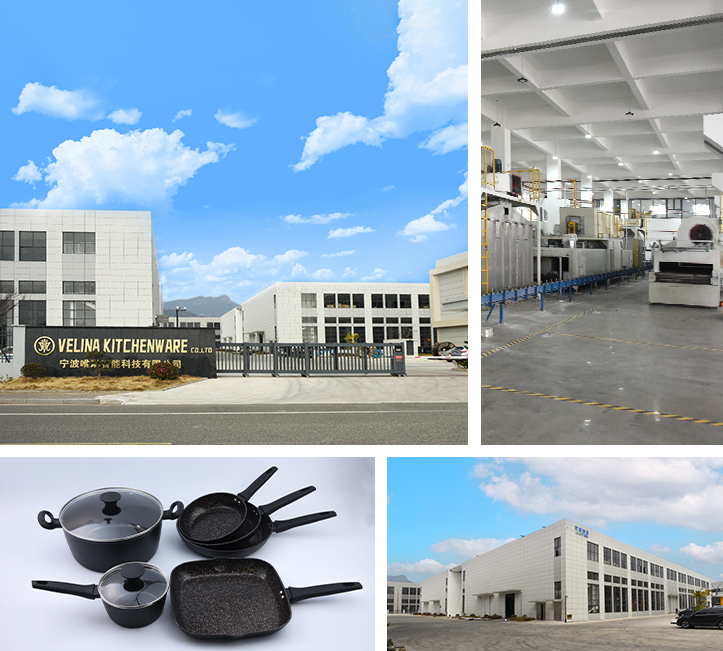
Real factory photos
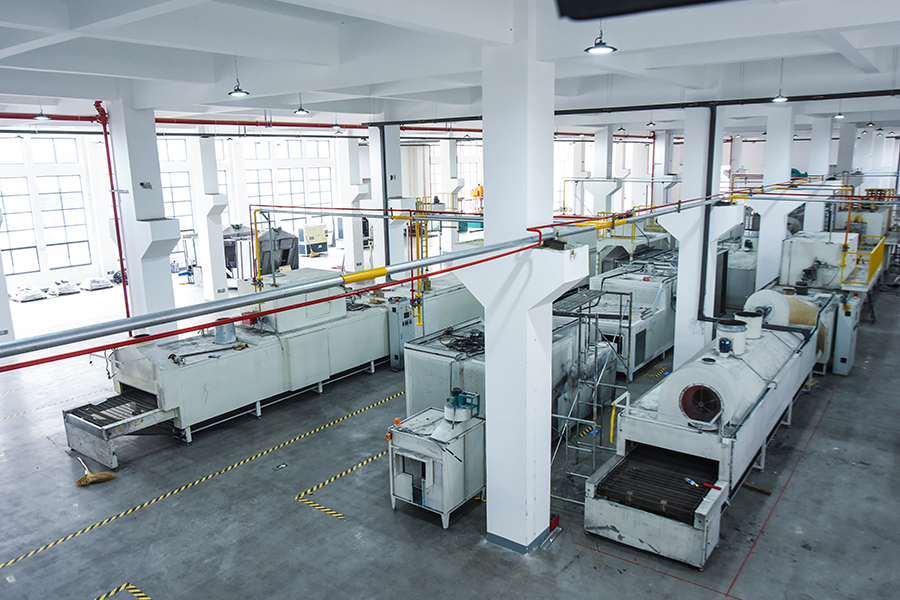
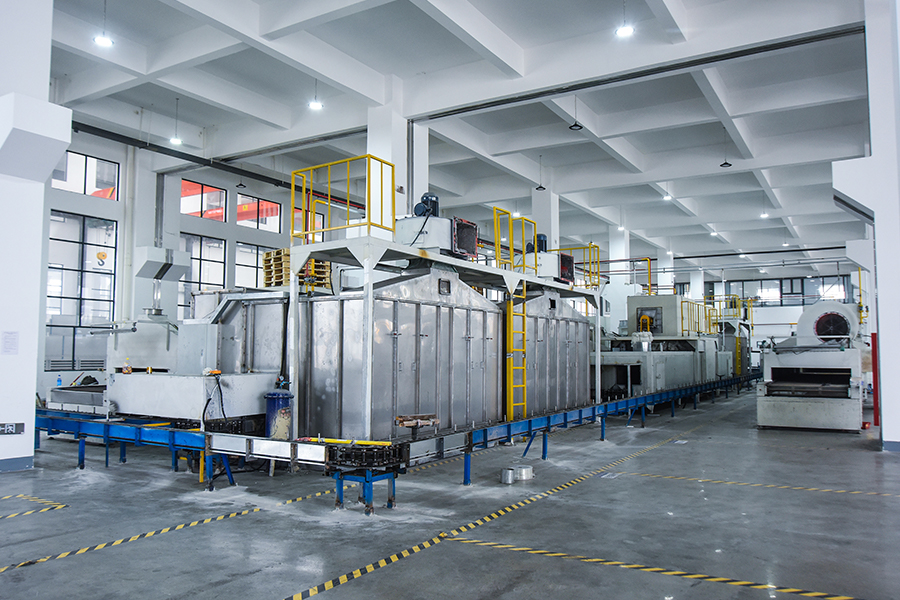
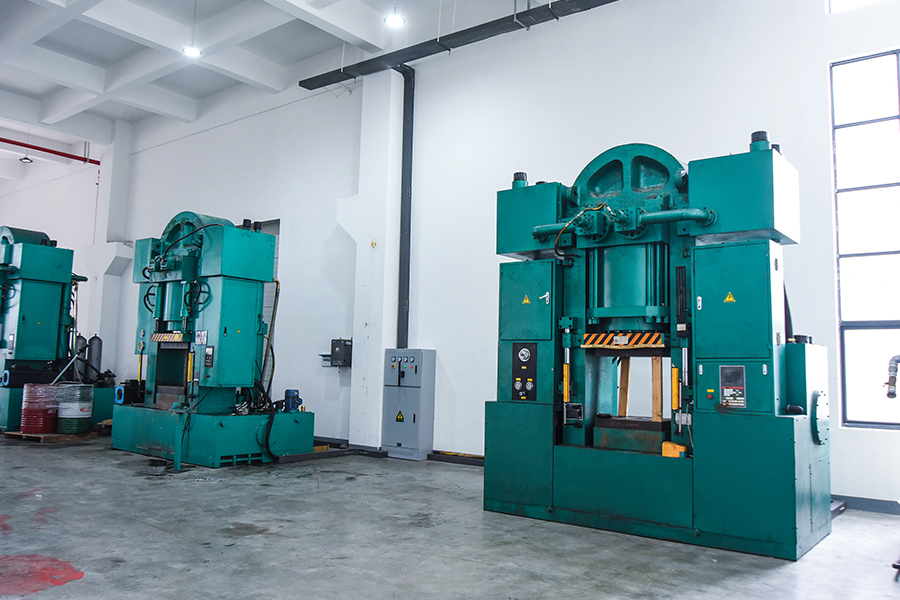
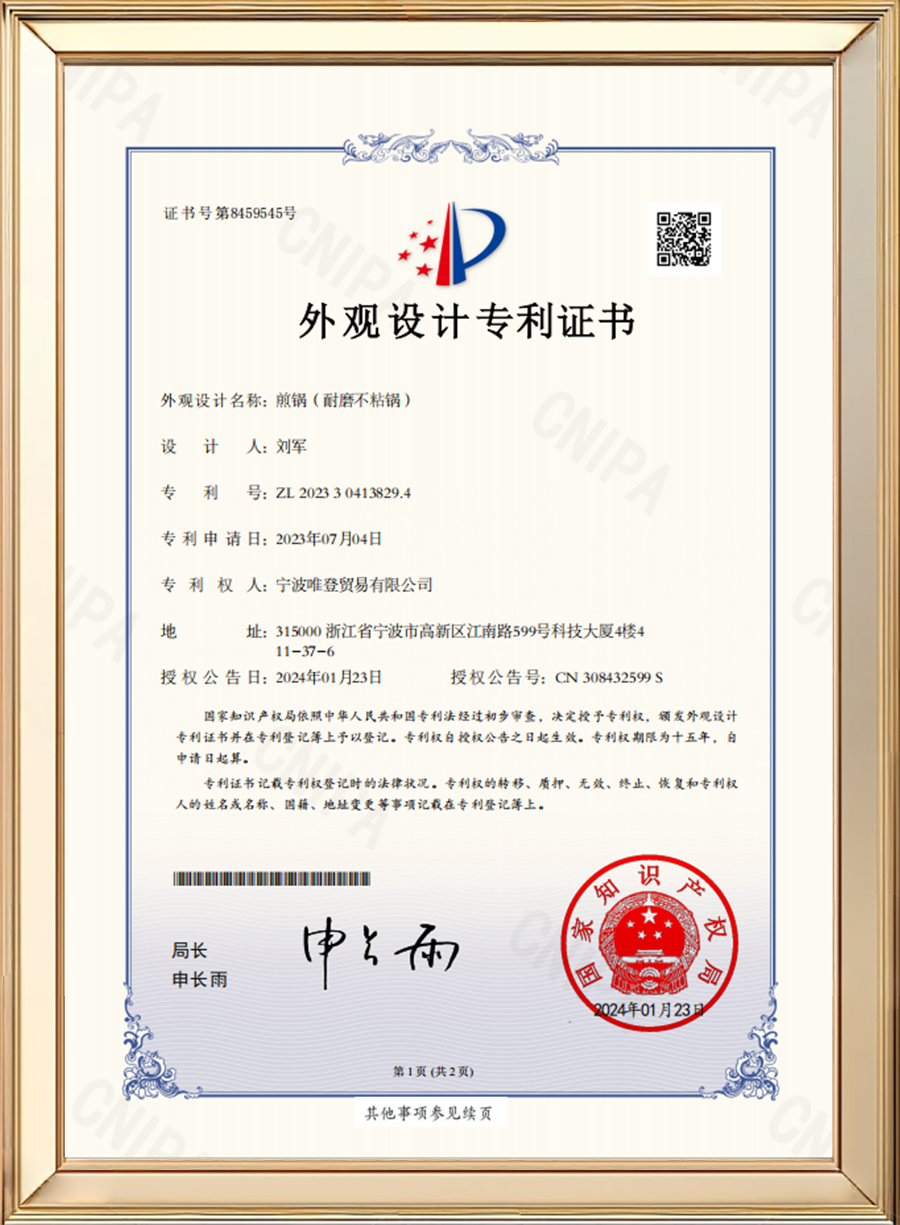
Real honour photos

VELINA - Jul 16, 2026
VELINA - Jul 09, 2026
VELINA - Jul 02, 2026
VELINA - Jun 26, 2026
Introduction to Pressed Aluminum and Stainless Steel Saucepans
Pressed aluminum saucepans are widely used in household kitchens due to their lightweight, affordability, and high thermal conductivity. They are created through a pressing process that allows aluminum sheets to be molded into the desired shape, resulting in a seamless and uniform body. Stainless steel saucepans, on the other hand, are valued for their durability, corrosion resistance, and aesthetic appeal. Both materials have unique strengths, but when discussing thermal conductivity, aluminum and stainless steel behave quite differently due to their intrinsic physical properties. VELINA KITCHENWARE CO., LTD., located in Ningbo, specializes in the production of mid to high-grade aluminum non-stick cookware and has the technical capability to ensure consistent quality in pressed aluminum products.
The Importance of Thermal Conductivity in Cooking
Thermal conductivity determines how quickly heat is transferred from the heat source to the cooking surface and ultimately to the food. In saucepans, this property directly influences cooking efficiency, energy use, and food quality. High thermal conductivity helps prevent uneven heating and hotspots, ensuring that sauces, milk, and soups are heated uniformly. For low-viscosity liquids like milk or porridge, conductivity is particularly important because uneven heating can lead to scalding or sticking.
Intrinsic Thermal Conductivity Values of Aluminum and Stainless Steel
Aluminum is well known for its excellent heat conduction, while stainless steel has relatively low conductivity. The following table provides a comparison of the intrinsic thermal conductivity values:
| Material | Thermal Conductivity (W/m·K) | Density (g/cm³) | Relative Efficiency in Heat Transfer |
|---|---|---|---|
| Pure Aluminum | ~205 | 2.7 | Very High |
| Pressed Aluminum* | ~150–180 (depending on alloy) | 2.7 | High |
| Stainless Steel | ~15–20 | 7.8 | Low |
*Note: Pressed aluminum cookware may use alloys rather than pure aluminum, which reduces the conductivity slightly.
Performance of Pressed Aluminum Saucepans in Daily Cooking
Pressed aluminum saucepans heat up quickly and distribute heat uniformly across the bottom surface. This allows faster boiling of milk, porridge, or small-volume foods, which is particularly useful for households with infants or individuals preparing quick meals. Because of their even heat distribution, pressed aluminum pans also reduce the risk of burning delicate sauces. VELINA KITCHENWARE CO., LTD. leverages advanced production facilities to optimize pressing techniques and ensure that the structural integrity of their pans supports efficient heat transfer without sacrificing strength.
Performance of Stainless Steel Saucepans in Daily Cooking
Stainless steel saucepans, despite their durability, tend to have slower heat conduction. This means they take longer to reach the desired cooking temperature and often develop hotspots where food may stick or scorch. To compensate, manufacturers often combine stainless steel with aluminum or copper bases, enhancing the thermal performance. However, this adds to cost and complexity. For plain stainless steel saucepans without an encapsulated base, thermal conductivity remains low, which can limit efficiency in heating liquids evenly.
Energy Efficiency Considerations
The efficiency of cookware is tied not only to material conductivity but also to how quickly the cookware reaches and maintains a steady temperature. The following table highlights the relative cooking efficiency:
| Property | Pressed Aluminum Saucepan | Stainless Steel Saucepan |
|---|---|---|
| Time to Boil 500ml Water | 3–4 minutes | 6–7 minutes |
| Heat Retention | Moderate | High |
| Energy Consumption | Lower | Higher |
| Risk of Hotspots | Low | Higher |
From this comparison, it is clear that pressed aluminum pans offer faster cooking and reduced energy use, making them more cost-effective for frequent, small-scale cooking tasks.
Durability and Longevity in Relation to Thermal Performance
Durability affects how well cookware maintains its thermal efficiency over time. Pressed aluminum, while efficient, is softer and more prone to dents and scratches than stainless steel. Prolonged use may slightly affect the uniformity of heating if the base deforms. Stainless steel, with its strength and resistance to corrosion, maintains shape and appearance longer but continues to struggle with heat distribution unless combined with conductive layers. VELINA KITCHENWARE CO., LTD., by using mid to high-grade aluminum and strict quality control, minimizes risks of deformation and extends the usable life of pressed aluminum cookware.
Practical Cooking Applications
In practice, the choice between pressed aluminum and stainless steel depends on cooking style. For tasks requiring rapid heating—such as boiling milk, preparing sauces, or reheating small portions—pressed aluminum performs more effectively. For slow cooking or recipes requiring steady simmering with less risk of warping, stainless steel may be advantageous. However, users often prefer pressed aluminum for everyday efficiency, especially in kitchens where energy savings and speed are priorities.
Market Value and Consumer Considerations
From a cost perspective, pressed aluminum saucepans generally provide better value because of their lower price point and superior thermal performance. Stainless steel cookware, while more durable, is often more expensive and may require additional materials to improve conductivity. The following table shows a market-oriented comparison:
| Factor | Pressed Aluminum Saucepan | Stainless Steel Saucepan |
|---|---|---|
| Initial Purchase Cost | Lower | Higher |
| Lifespan | Medium | Long |
| Cooking Efficiency | High | Moderate to Low |
| Maintenance Effort | Easy | Moderate |
| Consumer Target | Daily household use | Long-term heavy use |
VELINA KITCHENWARE CO., LTD. has positioned itself in the mid to high-grade aluminum cookware market, offering products that balance reasonable pricing with reliable performance. This approach ensures that their pressed aluminum pans meet the cooking needs of diverse households while keeping cost-effectiveness in focus.

 +86-0574-8752 8736
 [email protected]
COPYRIGHT © NINGBO VELINA KITCHENWARE CO., LTD.
 Wholesale Pressed Aluminum Sauce Pan Manufacturers

 English
 Español