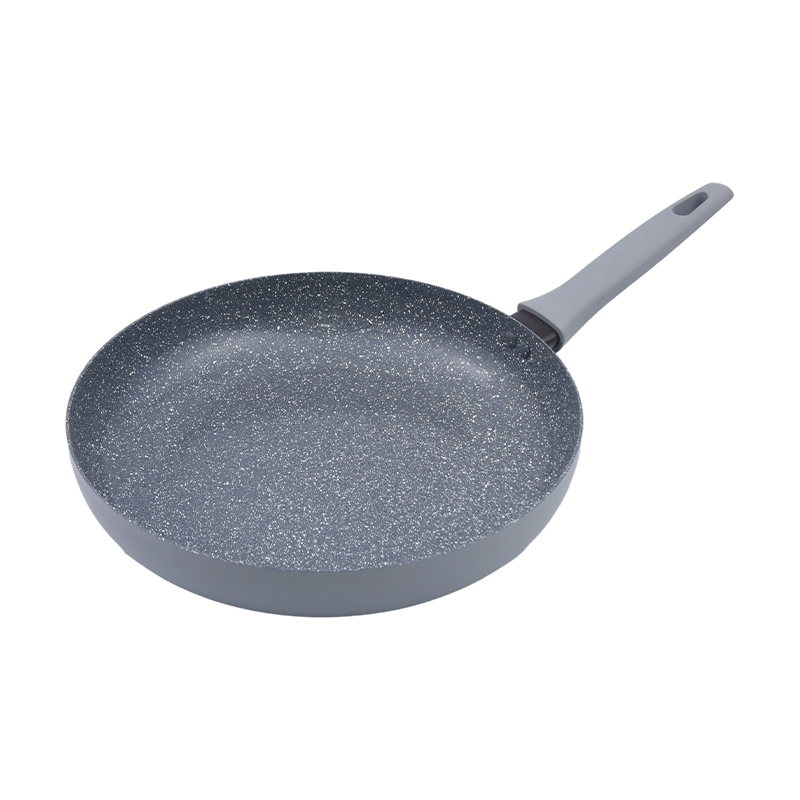
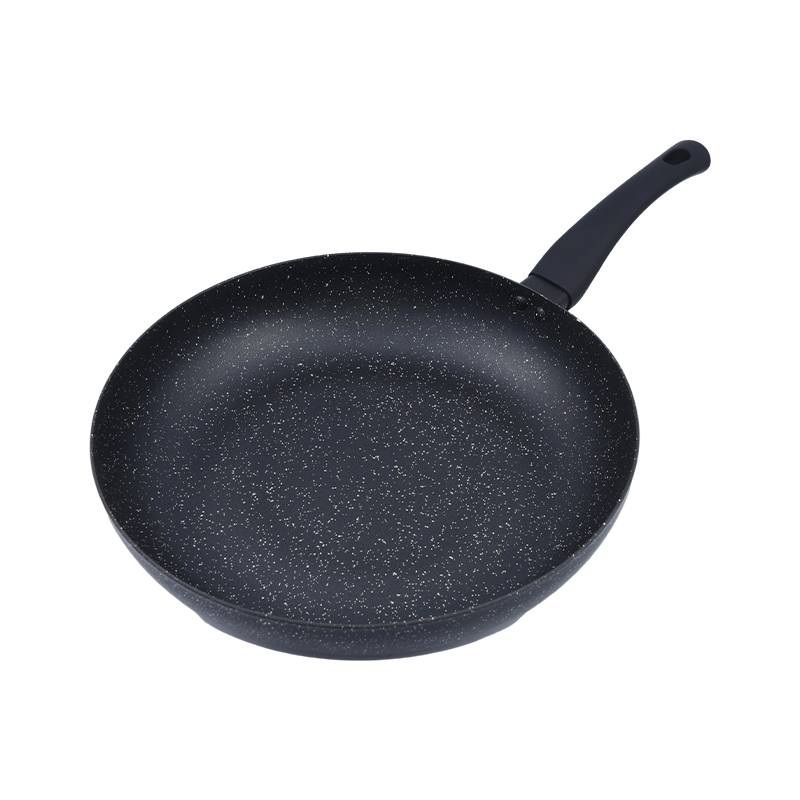
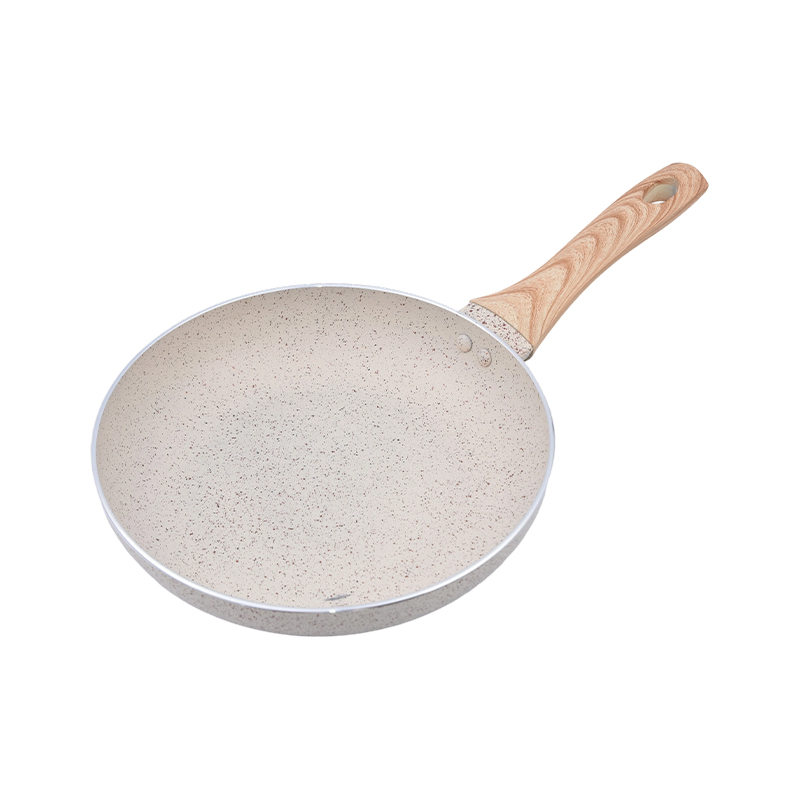
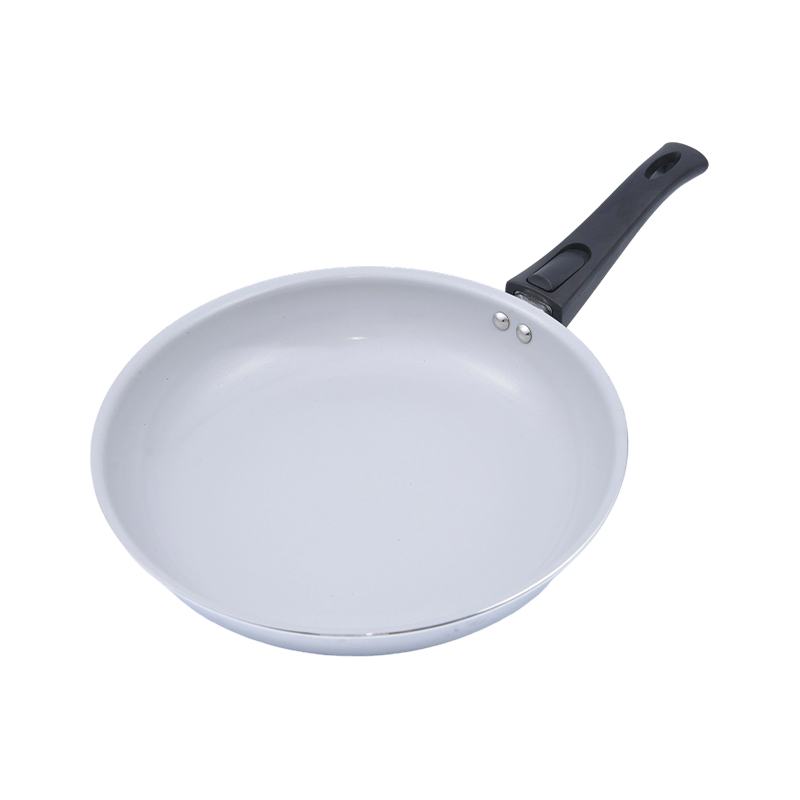
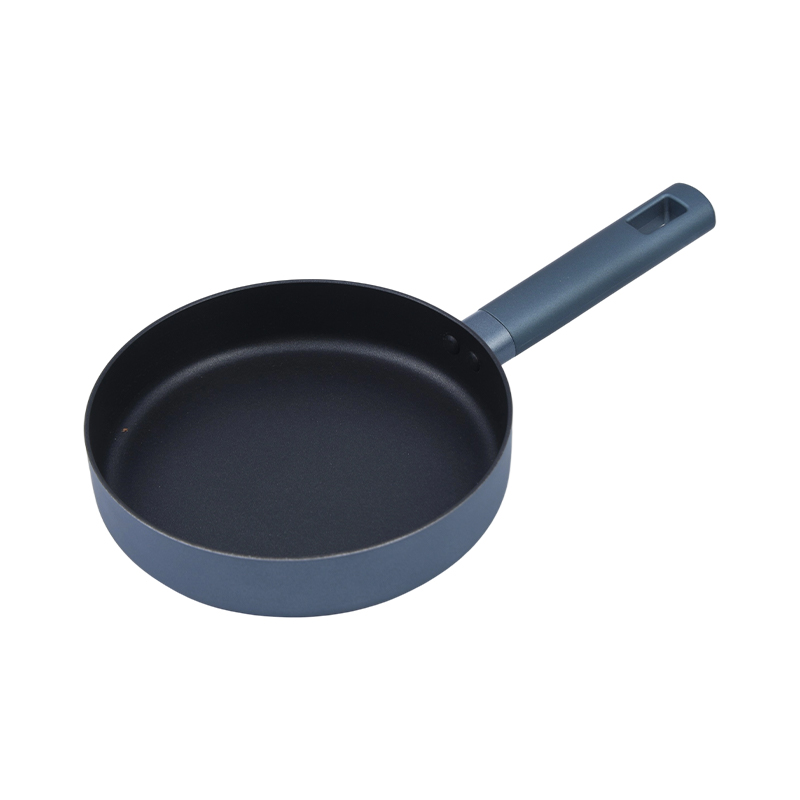
The stretch pot set has the characteristics of no welding gap, high overall strength, and smooth and beautiful appearance. It is usually made of high-quality stainless steel or aluminum, and the surface can be polished, electrolyzed, sprayed and other treatments, with good corrosion resistance and thermal conductivity. The stretch pot set includes a variety of pot types, such as soup pots, frying pans, milk pots, etc., which are suitable for diversified cooking needs such as steaming, boiling, frying, and stir-frying, meeting the needs of daily family cooking. Compared with traditional welded pots, the stretch pot has a tighter structure, is not easy to leak, is easy to clean, and has a longer service life. The whole set has a unified design style, which is easy to store and match with the kitchen environment. It is both practical and decorative.
Coming From China, Marketing To The World.
located in the rising seaport city of Ningbo. It is professional China Pressed Aluminum Cookware Set Manufacturers and Wholesale Pressed Aluminum Cookware Set Factory engaged in the production of mid and high-grade Pressed Aluminum Cookware Set. It expected productive capacity is 400000 pieces per month. VELINA emphasizes controlling both productive processing and raw materials. The quality of cookware is mid to high. grade with a reasonable price by right of advanced productive facilities and specialized technical talent. NINGBO VELINA KITCHENWARE CO., LTD. is a rapidly developing factory. Support ODM/OEM. We hope we can join hands to create a refulgence and bright future.
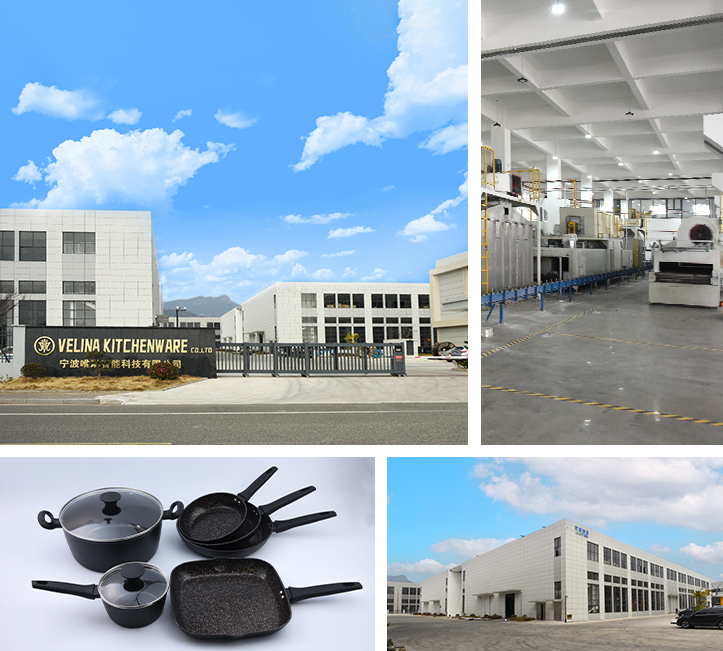
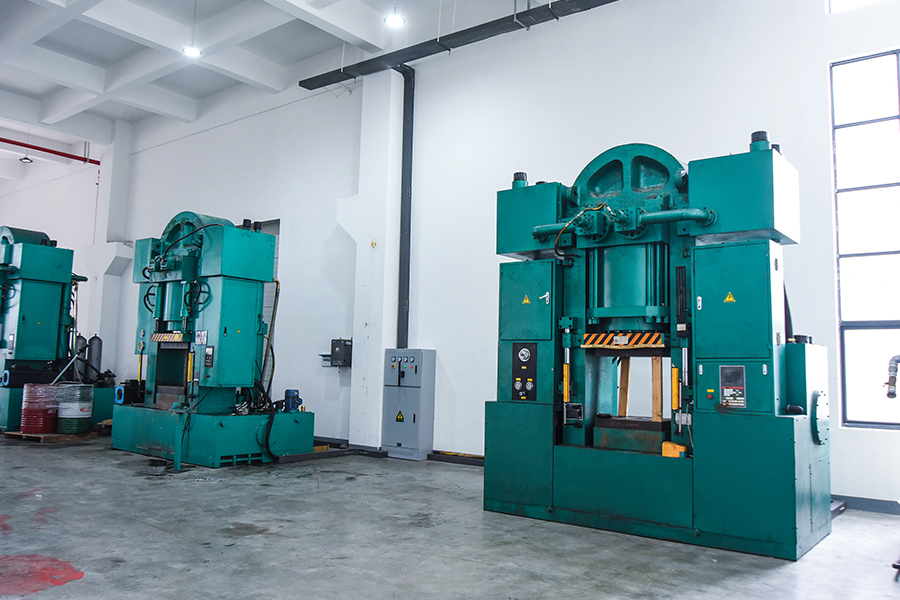
Real factory photos

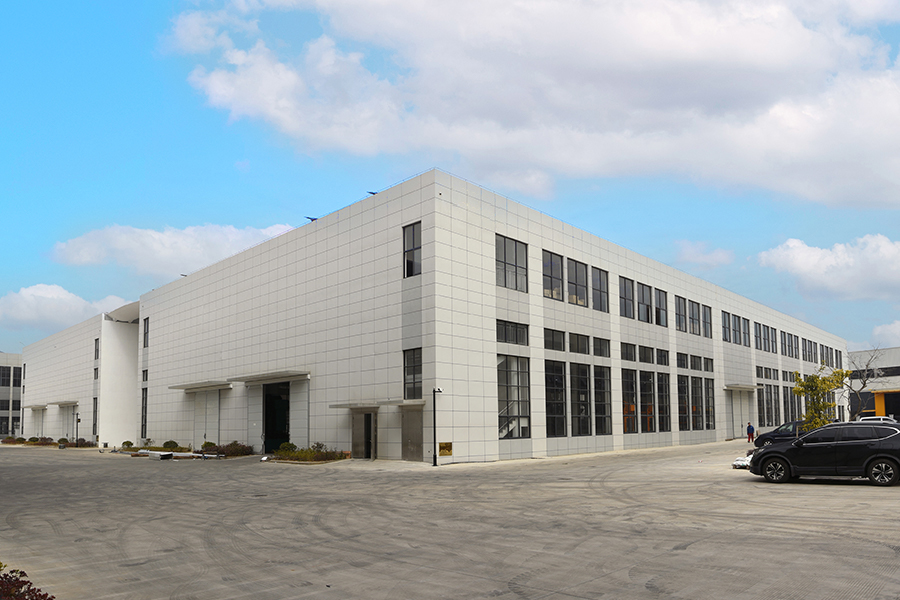
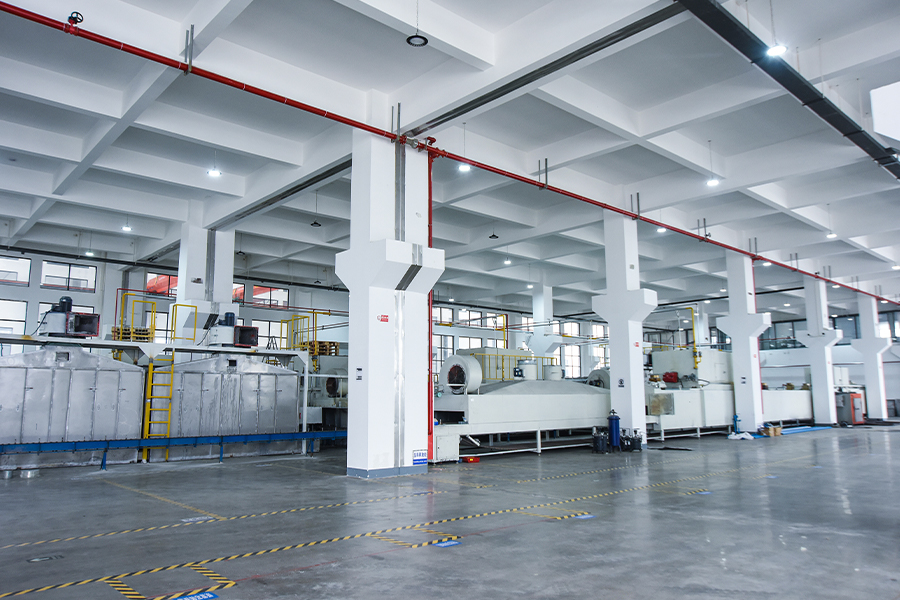
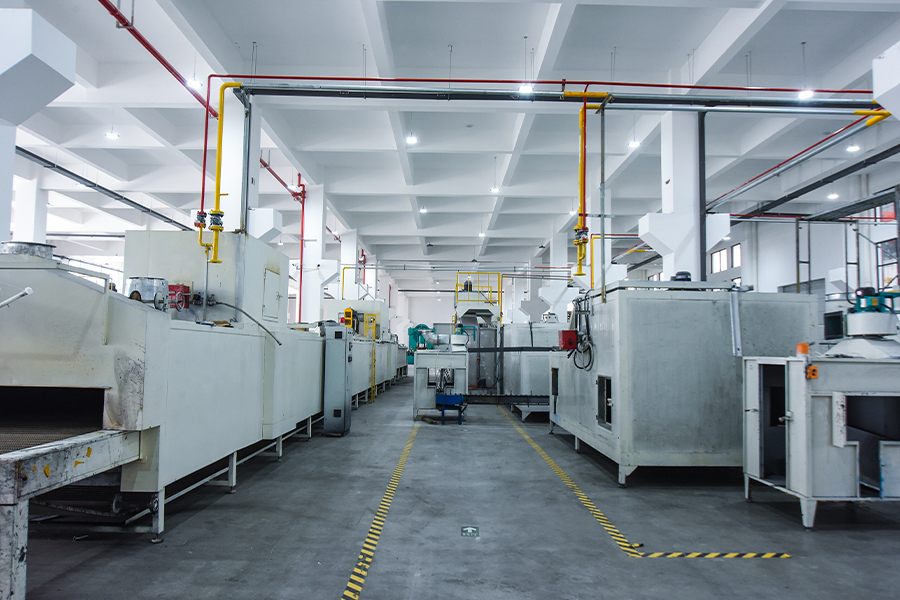
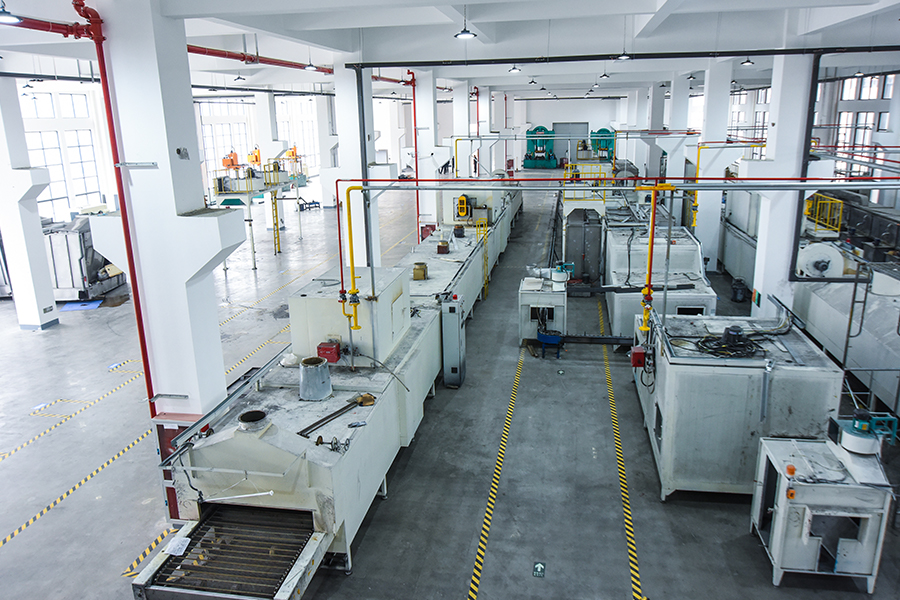
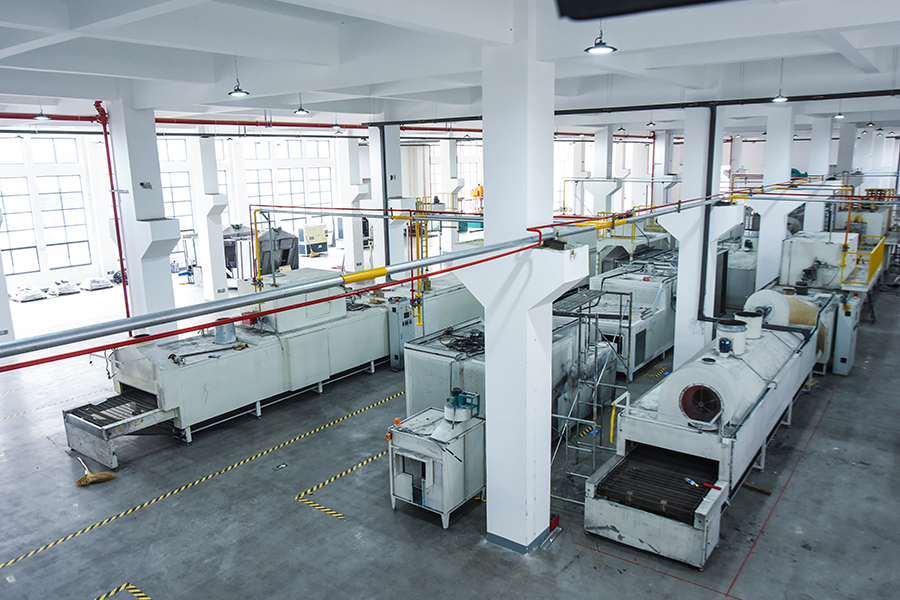
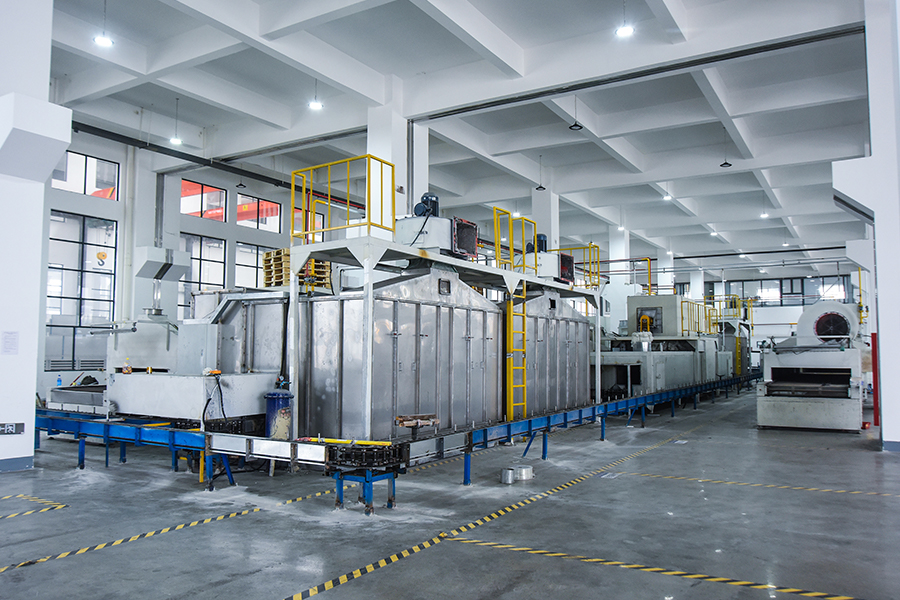
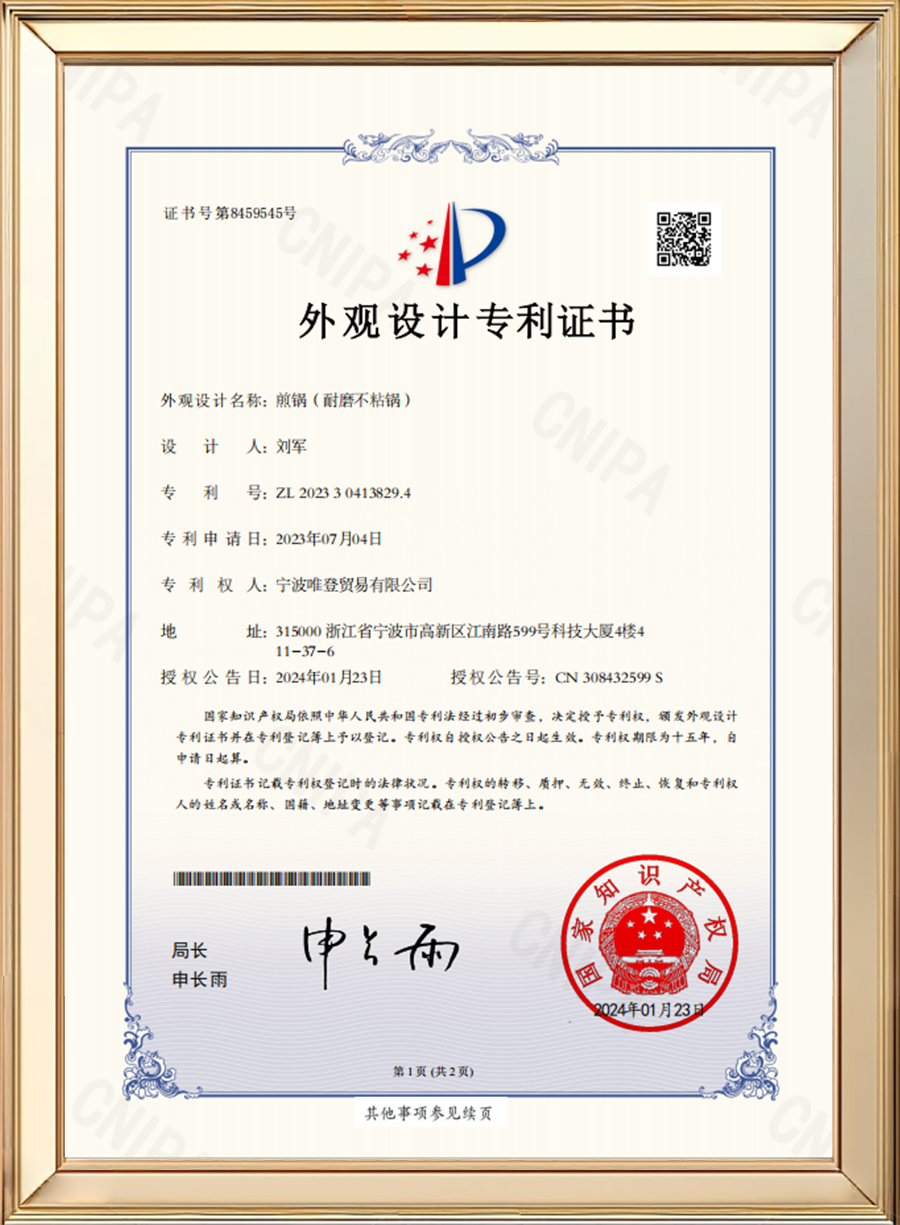
Real honour photos

VELINA - Jul 16, 2026
VELINA - Jul 09, 2026
VELINA - Jul 02, 2026
VELINA - Jun 26, 2026
Introduction to Aluminum Cookware Manufacturing Processes
Aluminum cookware is produced through different manufacturing processes, mainly pressing, stretching, die-casting, and forging. Among these, pressed aluminum and forged aluminum cookware sets are widely used in households and professional kitchens. A pressed aluminum cookware set is formed by pressing aluminum sheets into specific shapes, usually with lighter weight and relatively simple production. In contrast, forged cookware sets are made by compressing heated aluminum billets under high pressure, which makes the internal structure denser and improves durability. Understanding the difference in craftsmanship is essential to evaluating their respective lifespans. VELINA KITCHENWARE CO., LTD., based in Ningbo, specializes in producing mid and high-grade aluminum non-stick cookware and provides valuable insights into the comparison.
Manufacturing Process Differences
The primary difference between pressed aluminum cookware and forged aluminum cookware lies in their respective production processes. Pressed aluminum cookware is manufactured through a stamping or pressing method, where aluminum sheets are shaped using a high-pressure mold. This process is relatively efficient and cost-effective but can sometimes result in less compact structures. Forged aluminum cookware, on the other hand, involves compressing solid aluminum billets under extreme pressure, which enhances the material density and structural uniformity. This forging process allows the cookware to have stronger deformation resistance, better thermal conductivity, and longer durability
Comparison of Pressed vs. Forged Cookware Manufacturing
| Feature | Pressed Aluminum Cookware | Forged Aluminum Cookware |
|---|---|---|
| Raw Material Utilization | Medium efficiency | Higher efficiency |
| Structural Density | Moderate | Compact and uniform |
| Production Speed | Fast | Moderate |
| Resistance to Deformation | Lower | Higher |
| Suitable Applications | Daily light cooking | High-heat and heavy use |
3. Structural Strength and Durability
When analyzing cookware sets, structural strength and durability are critical factors that influence lifespan. Pressed aluminum cookware tends to have thinner walls, which makes them lighter and easier to handle. However, this also means they are more prone to warping under high temperatures. Forged aluminum cookware, thanks to its dense and uniform structure, offers significantly higher resistance to deformation, cracking, or wear. This difference directly translates into a longer usable life for forged cookware. Moreover, the forging process enhances compatibility with non-stick coatings, helping the cookware maintain performance for extended periods even under heavy usage.
Durability Features of Pressed vs. Forged Cookware Sets
| Feature | Pressed Cookware | Forged Cookware |
|---|---|---|
| Wall Thickness | Thinner | Thicker |
| Heat Resistance | Moderate | High |
| Wear Resistance | Lower | Stronger |
| Estimated Lifespan | 2–4 years | 5–8 years |
Durability Differences Between Pressed and Forged Cookware
Durability is one of the most important factors when comparing cookware sets. Pressed cookware has a moderate level of durability, sufficient for standard home cooking tasks such as boiling, simmering, or light frying. However, when exposed to long-term high heat or repeated heavy cooking, pressed cookware may lose shape or become thinner at stress points. Forged cookware, by contrast, maintains structural stability even under demanding conditions. Because forging compacts the metal grains, the cookware resists warping and denting. This difference directly influences lifespan, as forged cookware generally endures more years of consistent use than pressed cookware.
Cost-Effectiveness Versus Lifespan
The purchase decision between pressed and forged cookware often depends on balancing initial cost with long-term value. Pressed cookware is usually less expensive due to its simpler manufacturing process, making it attractive for households seeking affordable options. However, its shorter lifespan means it may need to be replaced more frequently. Forged cookware, while more costly upfront, tends to last significantly longer, reducing replacement frequency. When cost is analyzed over time, forged cookware demonstrates better cost-effectiveness for users who cook frequently.
VELINA KITCHENWARE CO., LTD. and Product Quality
VELINA KITCHENWARE CO., LTD., located in Ningbo, is a professional enterprise focused on mid and high-grade aluminum non-stick cookware. With a production capacity of 400,000 pieces per month, the company emphasizes strict control over both processing and raw materials. This ensures that its cookware maintains consistent quality, durability, and practicality at a reasonable price. The factory’s advanced facilities and technical expertise allow it to offer cookware sets that meet different customer demands, whether pressed or forged. The company’s experience in balancing durability and affordability makes its products a reliable option for global markets.
Comparative Analysis of Lifespan
The difference in lifespan between pressed aluminum cookware and forged cookware is significant but depends on the frequency and type of cooking. For light daily use, such as reheating food, boiling water, or making soup, pressed cookware can serve reliably for several years. However, for tasks requiring high heat and continuous use, such as stir-frying or deep-frying, forged cookware shows a clear advantage. Forged cookware often lasts twice or even three times as long as pressed cookware due to its resistance to deformation and coating stability. This durability gap is particularly valuable for users who rely heavily on cookware in their kitchens.
Comparison of Pressed and Forged Cookware Lifespan
| Aspect | Pressed Aluminum Cookware Set | Forged Aluminum Cookware Set |
|---|---|---|
| Manufacturing Process | Pressed from aluminum sheets | Forged under high pressure |
| Structural Density | Moderate | High |
| Resistance to Warping | Lower | Strong |
| Average Lifespan | 3–5 years | 8–12 years |
| Suitable Users | Standard home cooking | Frequent or professional use |
| Cost | Lower upfront | Higher upfront |
| Long-Term Value | Moderate | Strong |
Cleaning and Maintenance Impact on Lifespan
Cleaning and maintenance practices also influence the service life of cookware. Pressed cookware may lose coating faster if subjected to harsh cleaning methods, while forged cookware can withstand more cleaning cycles due to its sturdier build. Using soft sponges, avoiding metal utensils, and proper storage can prolong the life of both types. Since forged cookware has a stronger structure, it is generally more forgiving of minor mishandling, further extending its lifespan compared to pressed cookware.
Consumer Decision-Making Factors
When choosing between pressed and forged cookware, consumers should evaluate their cooking style, budget, and long-term needs. For families that cook lightly and prefer affordable kitchen tools, pressed cookware sets offer adequate performance. For users who value durability, frequent high-heat cooking, and long-term savings, forged cookware sets are a more suitable choice. VELINA KITCHENWARE CO., LTD. provides options that cover both categories, ensuring customers can find cookware aligned with their requirements.
Practical Usage Considerations
| Factor | Pressed Aluminum Cookware | Forged Aluminum Cookware |
|---|---|---|
| Daily Home Cooking | Suitable | Suitable |
| High-Heat Stir-Fry | Less suitable | Highly suitable |
| Frequency of Use | Occasional | Frequent |
| Replacement Cycle | Shorter | Longer |
| Weight | Lighter | Heavier |

 +86-0574-8752 8736
 [email protected]
COPYRIGHT © NINGBO VELINA KITCHENWARE CO., LTD.
 Wholesale Pressed Aluminum Cookware Set Manufacturers

 English
 Español