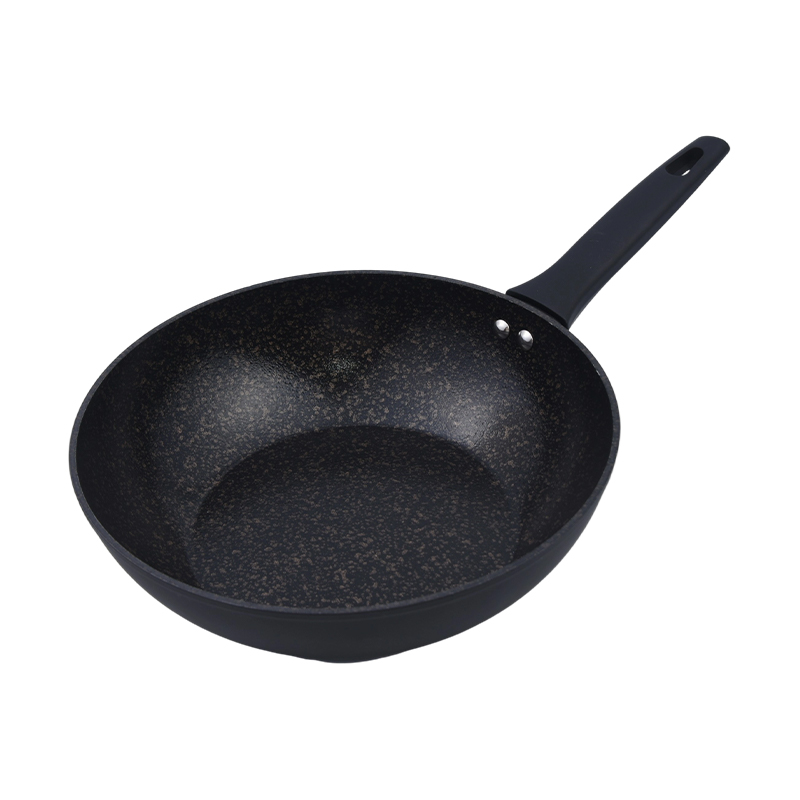
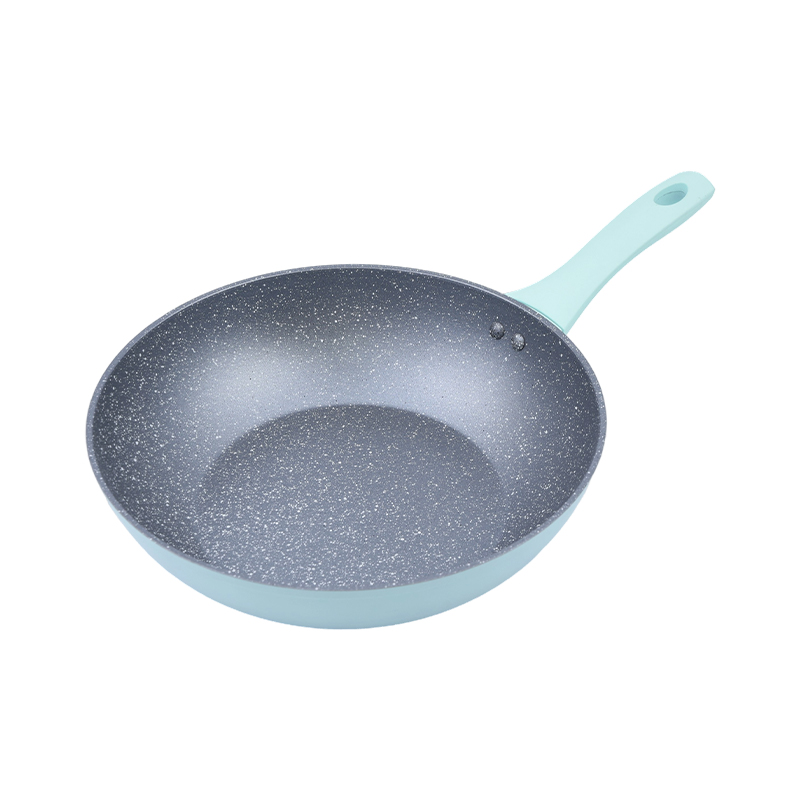
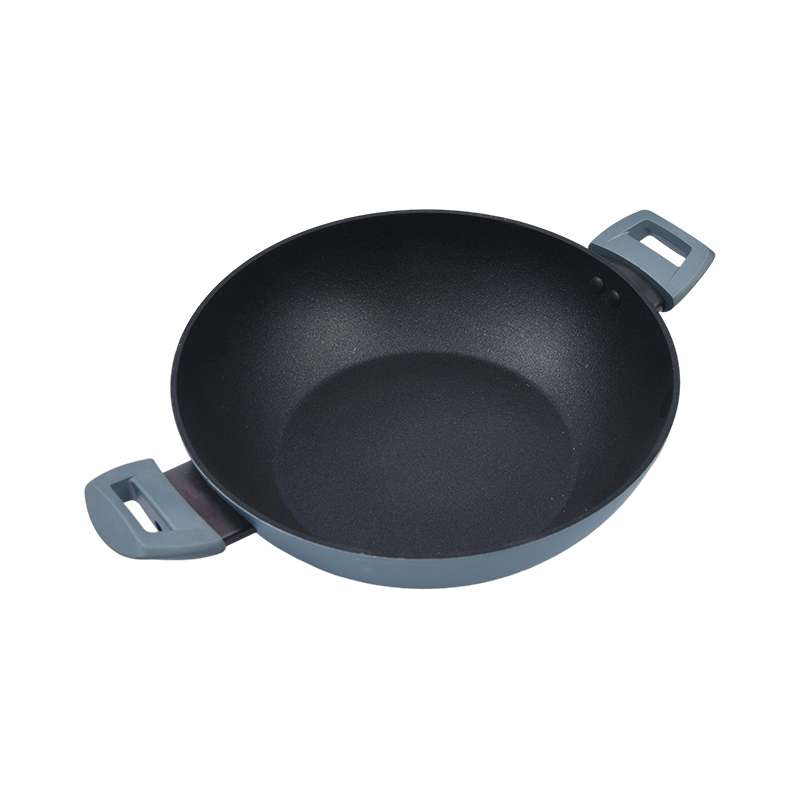
Compared with traditional die-casting or stretching processes, forged works are more compact and uniform in structure, with better thermal conductivity and deformation resistance. Forged woks are usually equipped with non-stick coatings or composite bottom designs, which can adapt to a variety of heating methods such as induction cookers and gas stoves to meet the diverse needs of modern kitchens. In terms of shape, forged woks mostly adopt a wide mouth and deep bottom design, which is conducive to fast stir-frying and uniform heating, and is particularly suitable for high-temperature cooking methods such as Chinese stir-frying and frying. The forging process also gives the work a longer service life and wear resistance, and it is not easy to deform or peel off even under frequent use.
Coming From China, Marketing To The World.
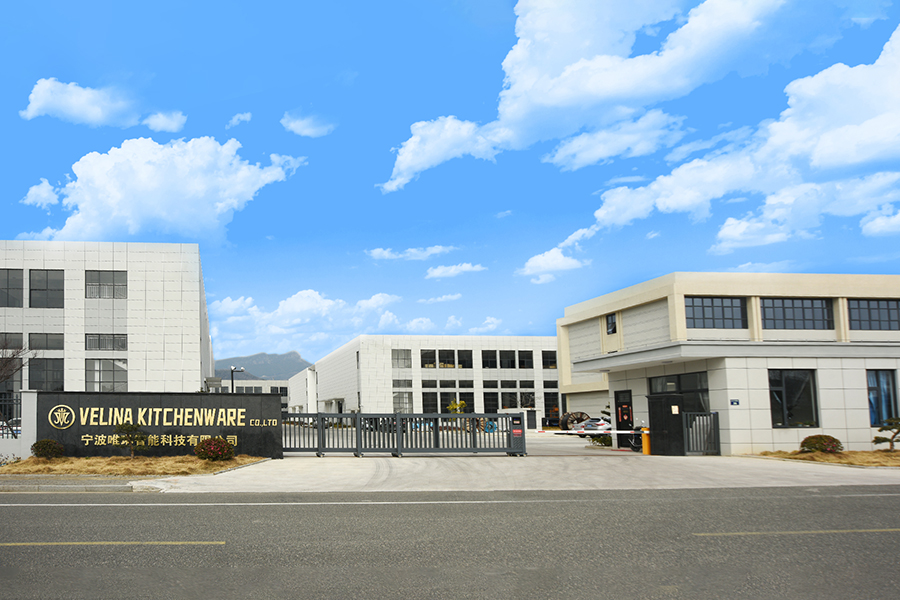
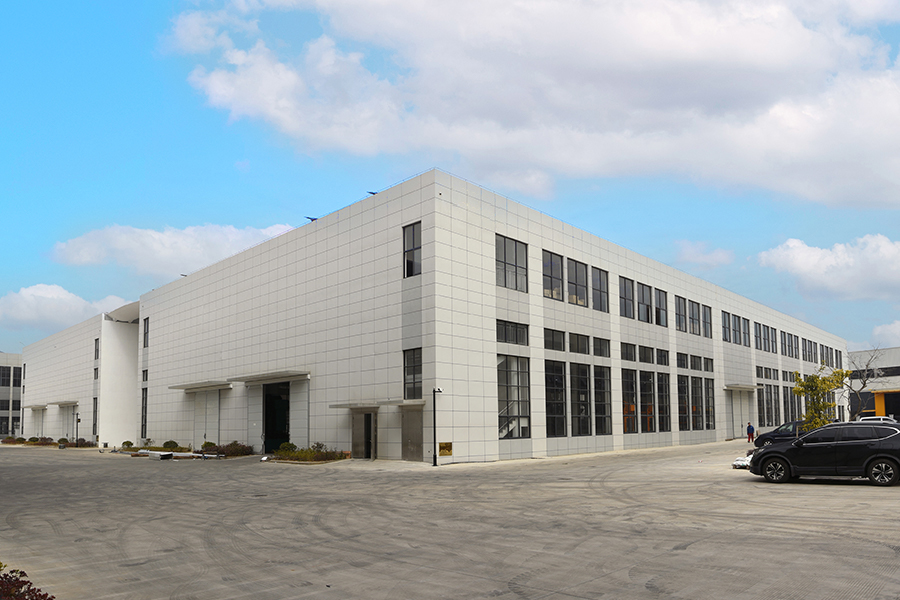
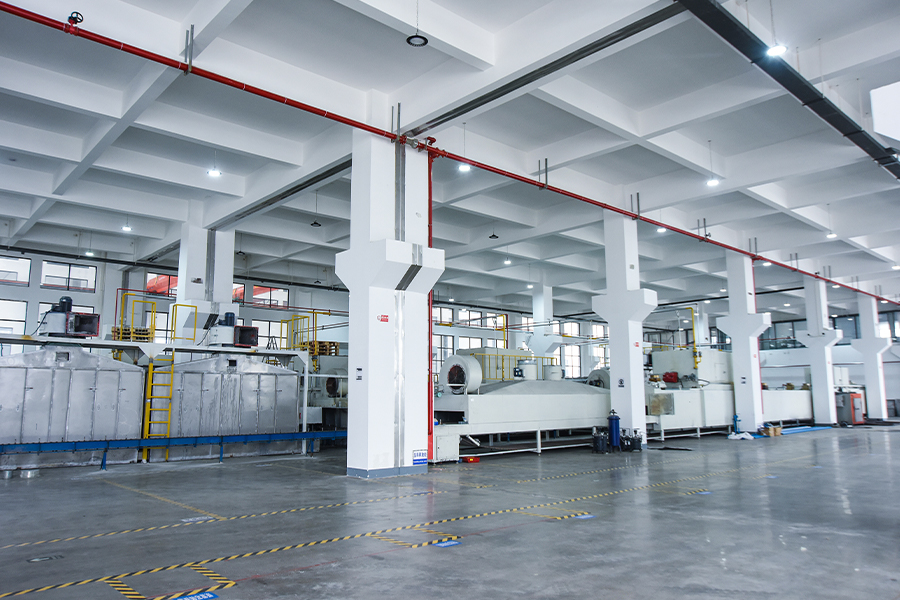
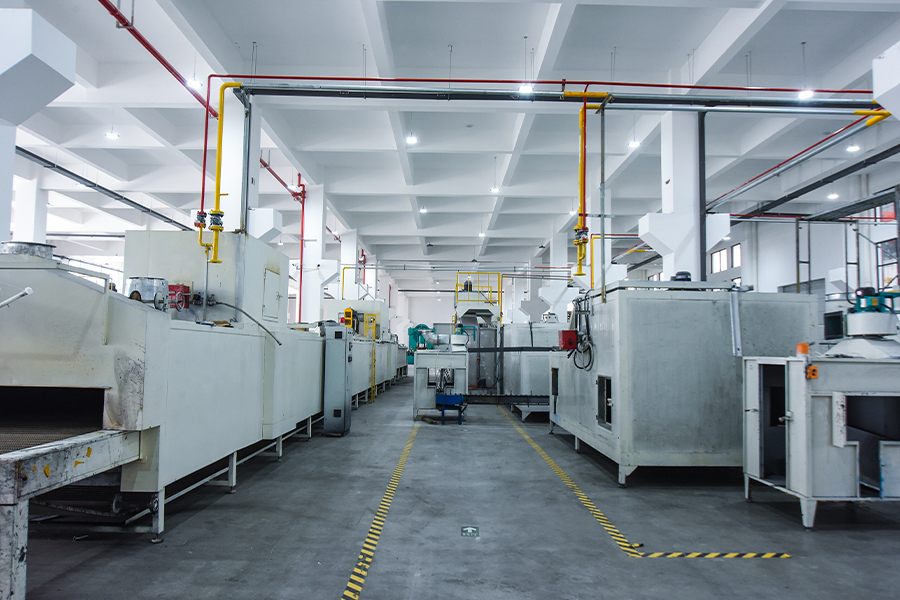
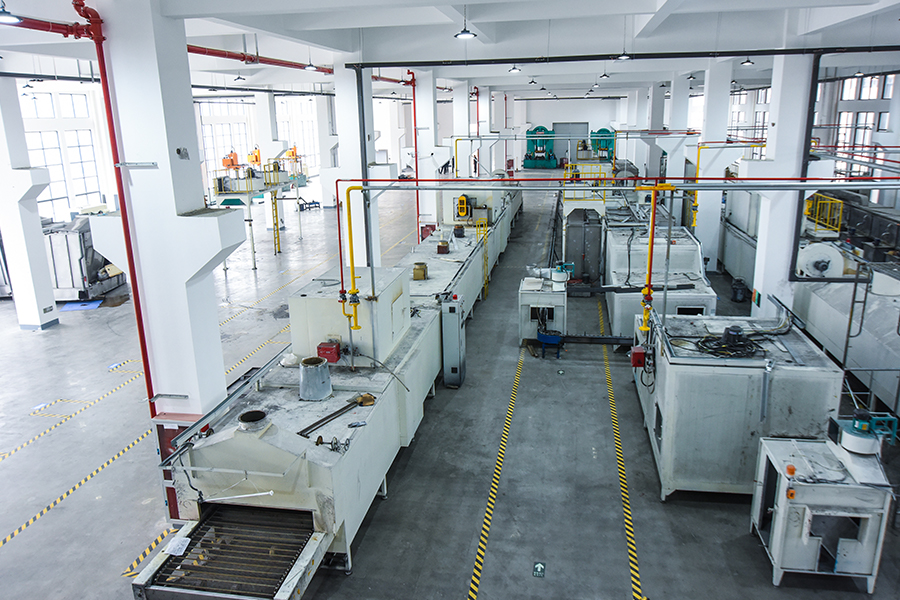
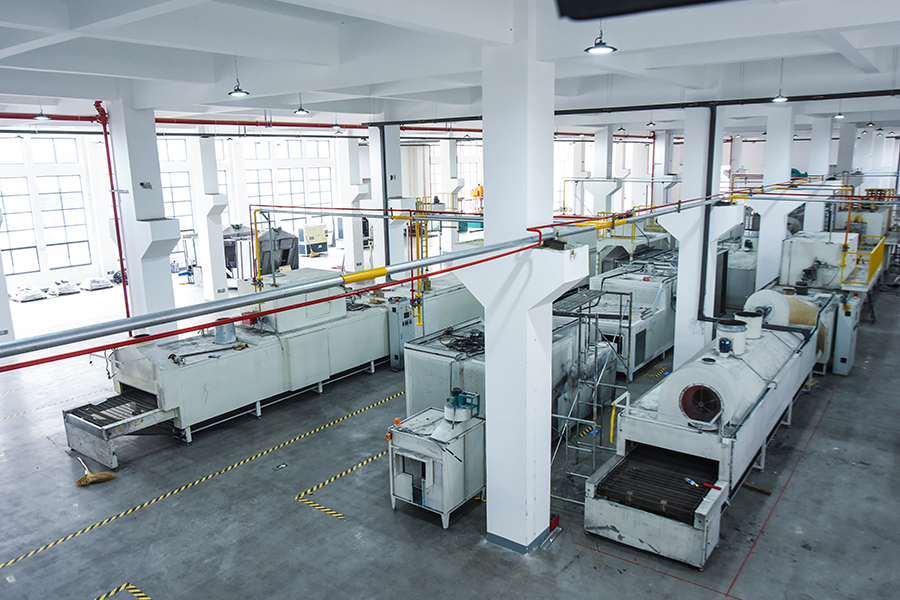
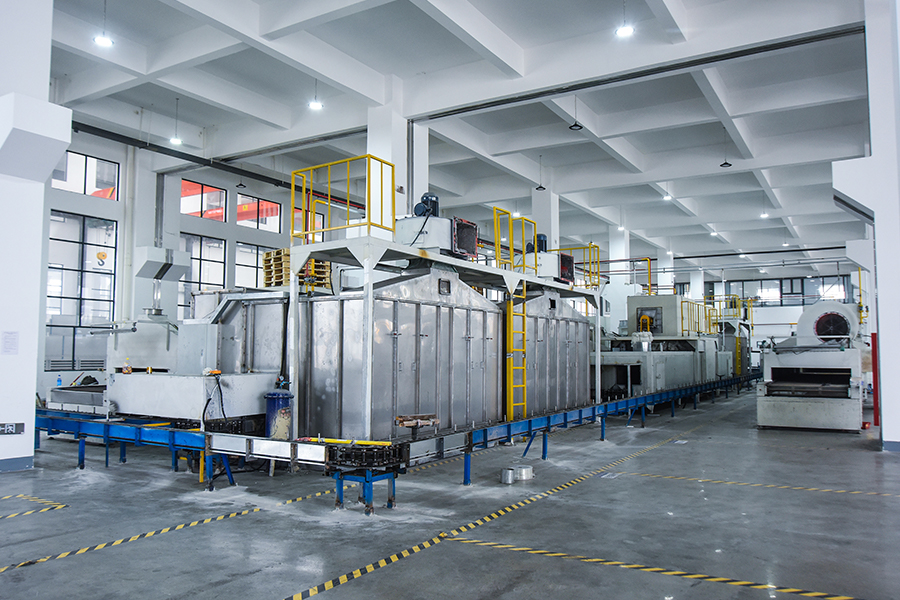
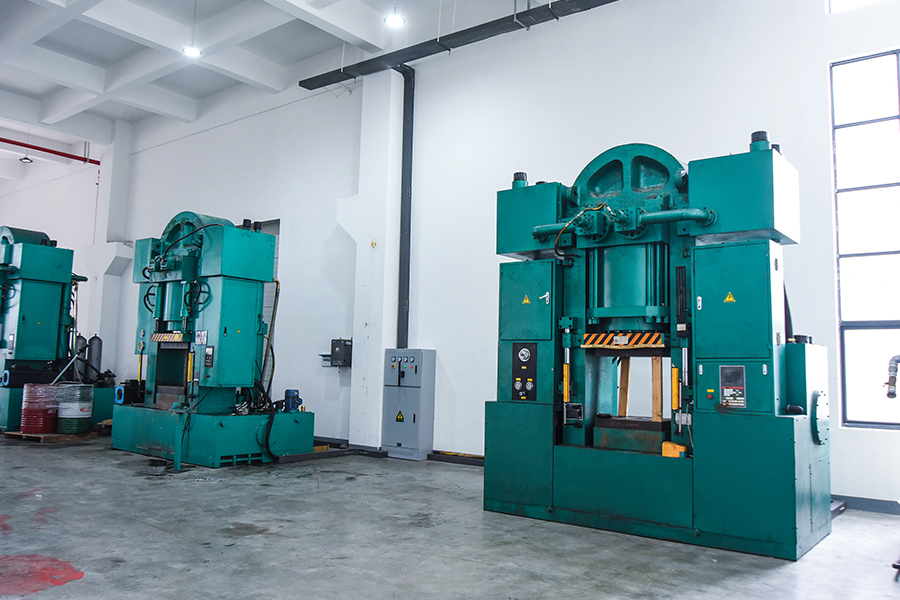
located in the rising seaport city of Ningbo. It is professional China Forged Aluminum Wok Manufacturers and Wholesale Forged Aluminum Wok Factory engaged in the production of mid and high-grade Forged Aluminum Wok. It expected productive capacity is 400000 pieces per month. VELINA emphasizes controlling both productive processing and raw materials. The quality of cookware is mid to high. grade with a reasonable price by right of advanced productive facilities and specialized technical talent. NINGBO VELINA KITCHENWARE CO., LTD. is a rapidly developing factory. Support ODM/OEM. We hope we can join hands to create a refulgence and bright future.
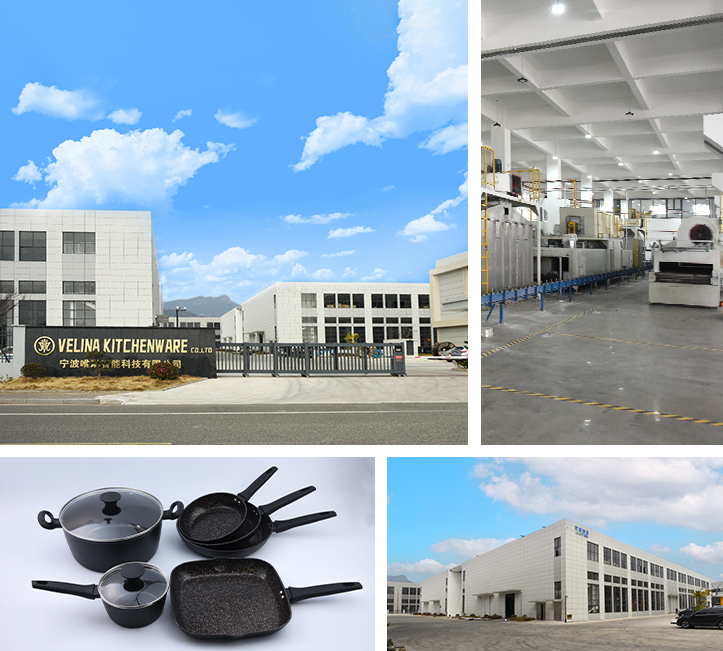
Real factory photos
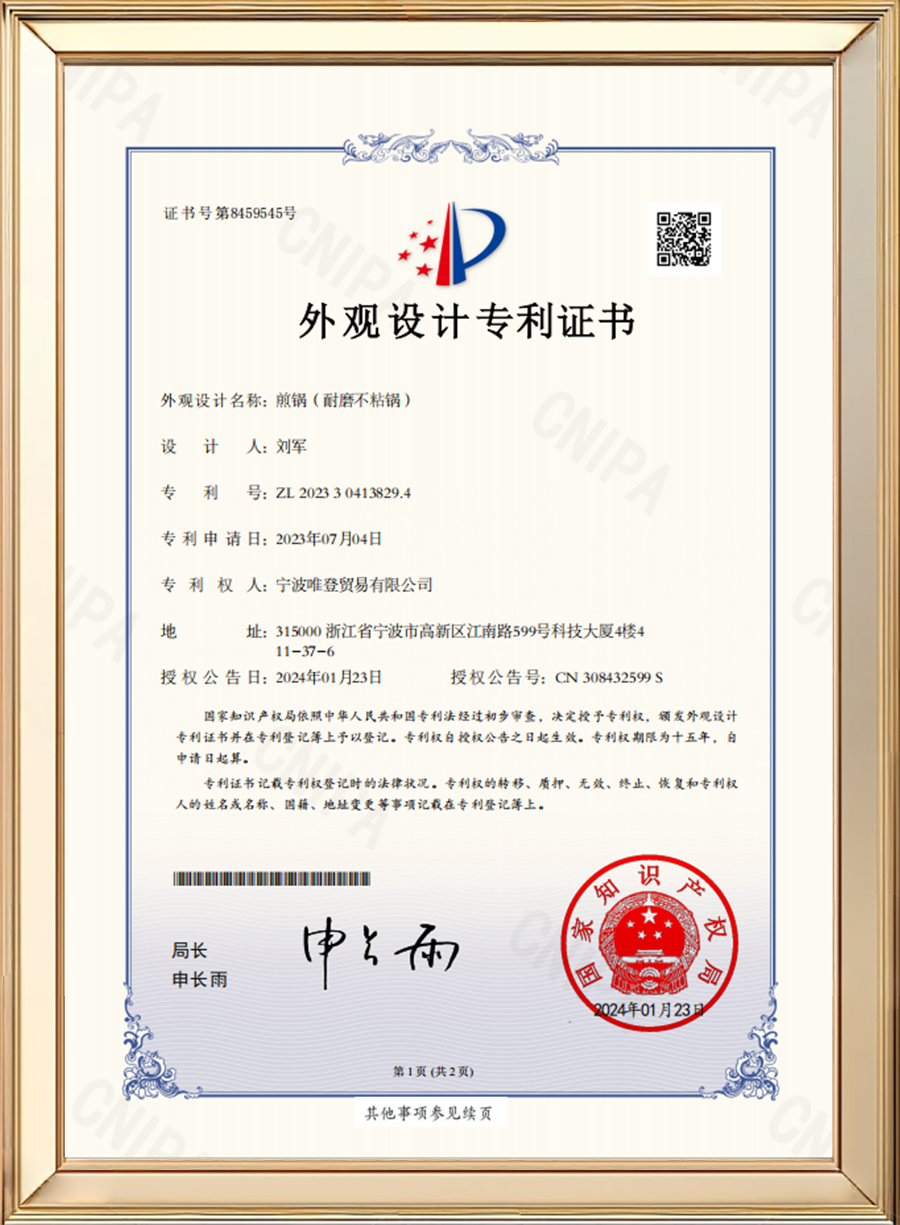
Real honour photos

VELINA - Jul 16, 2026
VELINA - Jul 09, 2026
VELINA - Jul 02, 2026
VELINA - Jun 26, 2026
Introduction to Forged Aluminum Wok and Ordinary Aluminum Wok
A forged aluminum wok is manufactured through forging technology, which applies high pressure to compress aluminum billets into shape. This process makes the internal structure of the wok more compact and uniform, providing better thermal conductivity and deformation resistance. On the other hand, an ordinary aluminum wok is usually produced through die-casting or stretching. While these methods can also shape aluminum efficiently, they may not always achieve the same level of compactness and structural uniformity as forging. VELINA KITCHENWARE CO., LTD., located in Ningbo, focuses on the production of mid- and high-grade aluminum non-stick cookware, emphasizing both production processes and raw material control to ensure consistent product quality.
Differences in Manufacturing Processes
The forging process for aluminum woks involves applying pressure to a heated aluminum billet, which eliminates internal voids and aligns the metal grains. This makes the forged wok dense and stable. In comparison, ordinary aluminum woks made by die-casting involve pouring molten aluminum into molds, which is faster but can create air pockets and reduce density. Stretching processes form aluminum sheets into wok shapes through mechanical pulling, which may lead to uneven thickness. Forged aluminum woks from companies like VELINA KITCHENWARE CO., LTD. benefit from advanced facilities and skilled workers, resulting in more reliable cookware.
| Process Type | Structural Density | Thermal Conductivity | Deformation Resistance | Production Cost |
|---|---|---|---|---|
| Forging | High | High | Strong | Relatively High |
| Die-casting | Medium | Medium | Moderate | Lower |
| Stretching | Medium to Low | Moderate | Weak | Low |
Structural Characteristics and Material Compactness
Forged aluminum woks stand out for their compact structure. The forging process aligns the metal particles closely, improving strength and resistance against wear. This structure minimizes the risk of cracks or weak spots even under frequent use. In contrast, die-cast aluminum woks may have micro-pores caused by air bubbles trapped during casting. These pores can affect durability over time. Stretched aluminum woks, though lightweight, often lack uniformity in thickness, which impacts both durability and thermal distribution.
Thermal Conductivity and Heat Distribution
One of the key advantages of forged aluminum woks is their ability to conduct and distribute heat efficiently. This makes them ideal for cooking methods that require high temperatures, such as Chinese stir-frying and frying. The uniform material density allows heat to spread evenly, reducing the risk of hotspots. Ordinary aluminum woks may heat unevenly due to inconsistencies in material density, leading to areas where food burns or sticks. VELINA KITCHENWARE CO., LTD. integrates non-stick coatings and composite bottoms into forged woks to further enhance heating performance across various stoves, including induction and gas.
Shape Design and Practical Functionality
Forged aluminum woks are usually designed with wide mouths and deep bottoms, which facilitate quick stir-frying and better food tossing. The deeper bottom also retains heat longer, helping maintain stable cooking temperatures. Ordinary aluminum woks may follow similar shapes but are sometimes limited by their manufacturing method, leading to thinner bottoms or less durable rims. Forging allows for greater precision in forming complex curves and thicker bases, ensuring that the wok is suitable for diverse cooking techniques.
Durability and Service Life
Durability is a major factor distinguishing forged aluminum woks from ordinary ones. Forging enhances structural strength, making the wok resistant to deformation, even with repeated exposure to high heat. This gives forged woks a longer lifespan. Ordinary aluminum woks, especially those made through stretching, are more prone to warping or denting over time. Die-cast woks are sturdier than stretched ones but may still develop weak spots due to porosity. With VELINA’s strict raw material control and technical expertise, forged woks are designed to endure long-term use while maintaining performance.
| Wok Type | Resistance to Deformation | Wear Resistance | Service Life Expectation |
|---|---|---|---|
| Forged Aluminum Wok | Strong | High | Long |
| Die-cast Aluminum Wok | Moderate | Medium | Medium |
| Stretched Aluminum Wok | Weak | Low | Short |
Compatibility with Modern Kitchens
Modern kitchens require cookware compatible with various heating methods. Forged aluminum woks typically feature composite bottoms, which allow them to be used on induction cookers, gas stoves, and electric stoves. This versatility caters to diverse cooking preferences. Ordinary aluminum woks may not always include such features, particularly in lower-cost models. By integrating advanced coatings and multi-layer designs, companies like VELINA ensure their forged aluminum woks are adaptable to contemporary cooking needs, aligning with the growing demand for multifunctional cookware.
Cost Considerations and Market Positioning
Forged aluminum woks generally have a higher production cost due to the complexity of forging and the precision required. As a result, they are positioned in the mid-to-high market segment. Ordinary aluminum woks produced through die-casting or stretching are less expensive, making them attractive for budget-conscious consumers. However, when considering long-term use and reduced replacement frequency, forged aluminum woks can offer better cost-effectiveness. VELINA KITCHENWARE CO., LTD. focuses on providing cookware that balances price and quality, ensuring reasonable cost while delivering durable products.
Role of VELINA KITCHENWARE CO., LTD. in Forged Wok Production
VELINA KITCHENWARE CO., LTD., located in Ningbo, is dedicated to producing mid- and high-grade aluminum non-stick cookware, including forged aluminum woks. With an expected production capacity of 400,000 pieces per month, the company combines advanced manufacturing facilities with skilled technical staff to deliver consistent quality. By emphasizing raw material control and productive processing, VELINA ensures that each forged wok meets modern kitchen standards in durability, thermal performance, and versatility. This approach supports the factory’s rapid development in the global cookware industry.

 +86-0574-8752 8736
 [email protected]
COPYRIGHT © NINGBO VELINA KITCHENWARE CO., LTD.
 Wholesale Forged Aluminum Wok Manufacturers

 English
 Español