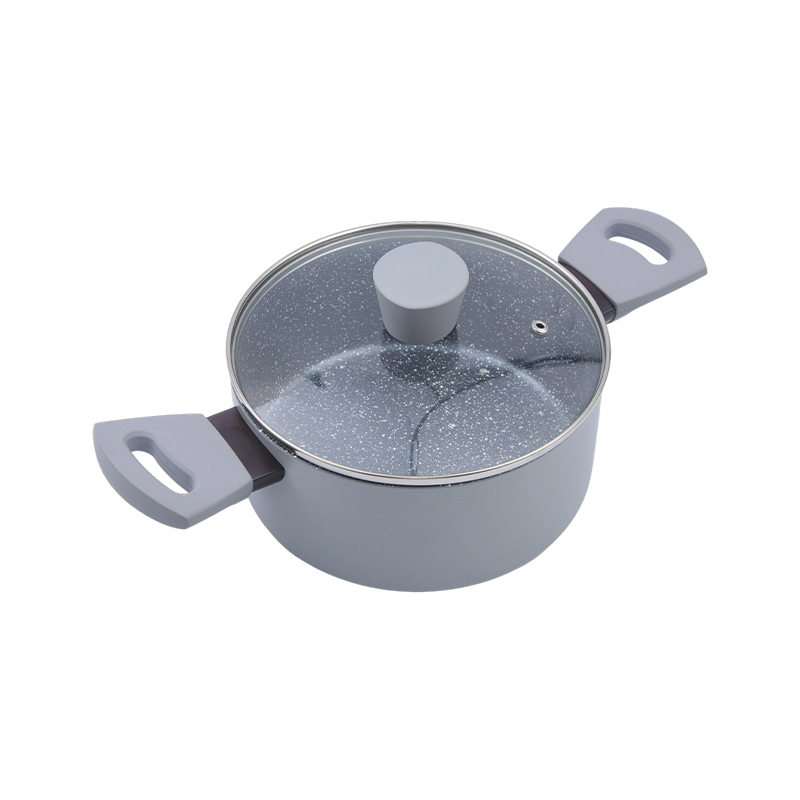
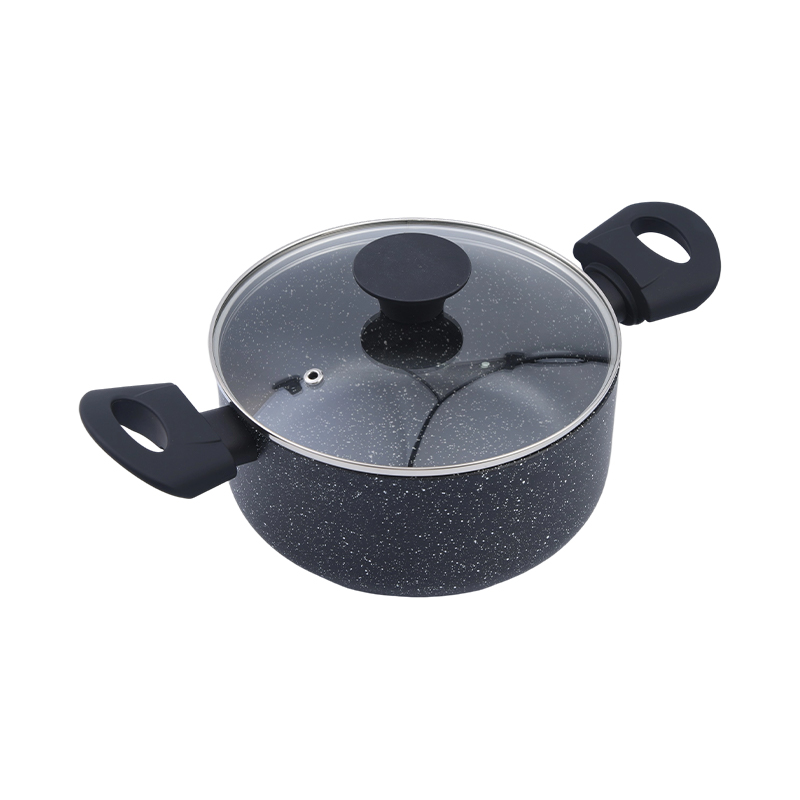
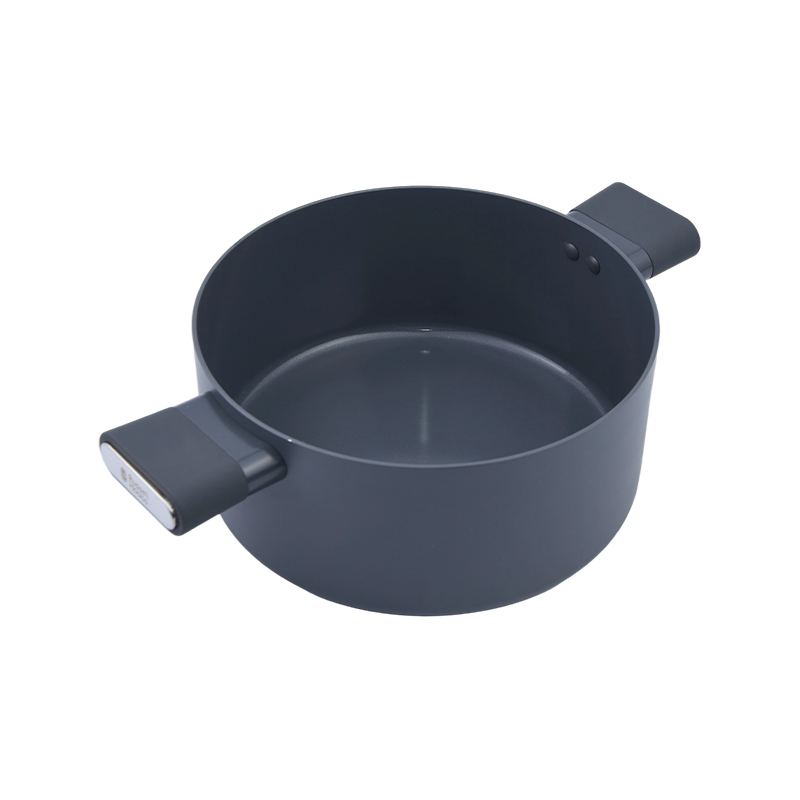
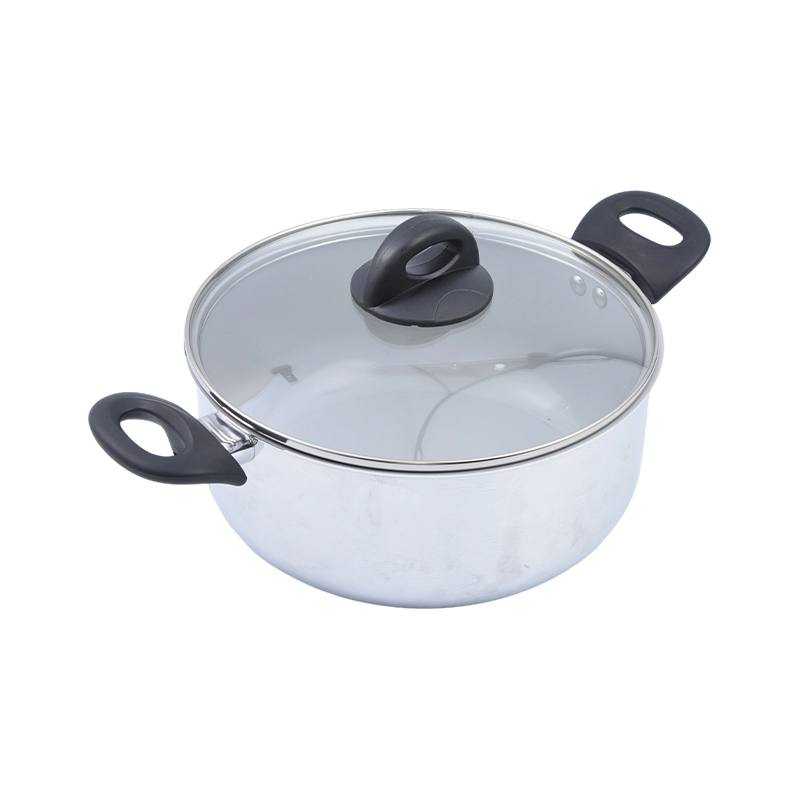
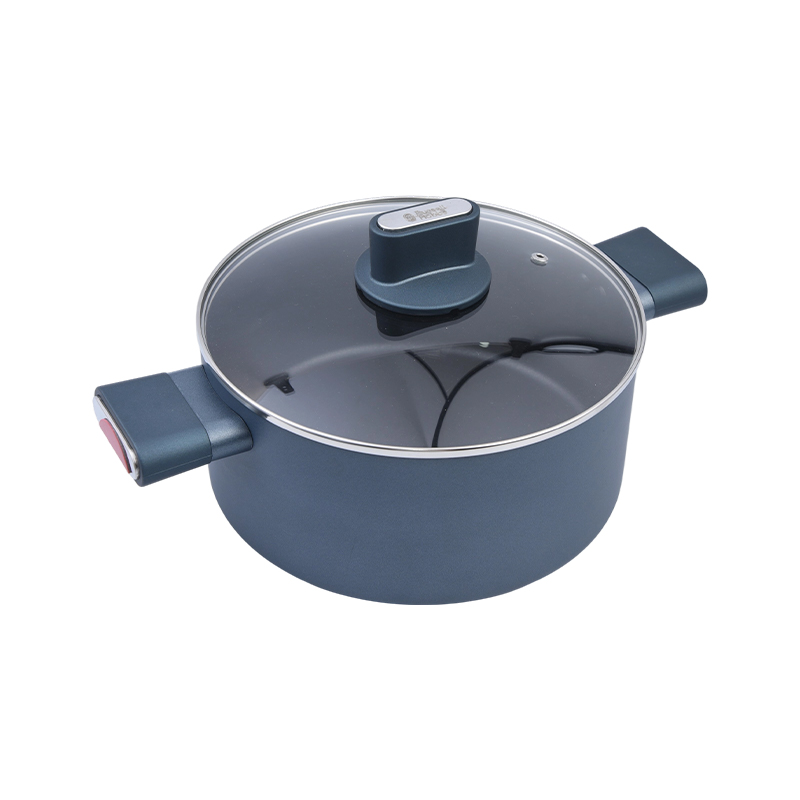
The stretched soup pot adopts metal stretching technology, which heats evenly and conducts heat quickly. It is suitable for stewing, making soup, porridge, and other cooking methods. Its seamless design avoids food residue, makes cleaning more convenient, and improves the cooking hygiene level. The pot body has a solid structure, strong deformation resistance, and is durable, suitable for long-term high-temperature stewing. Some stretched soup pots are equipped with visible glass lids and heat-insulating handles to enhance the convenience and safety of operation.
Coming From China, Marketing To The World.
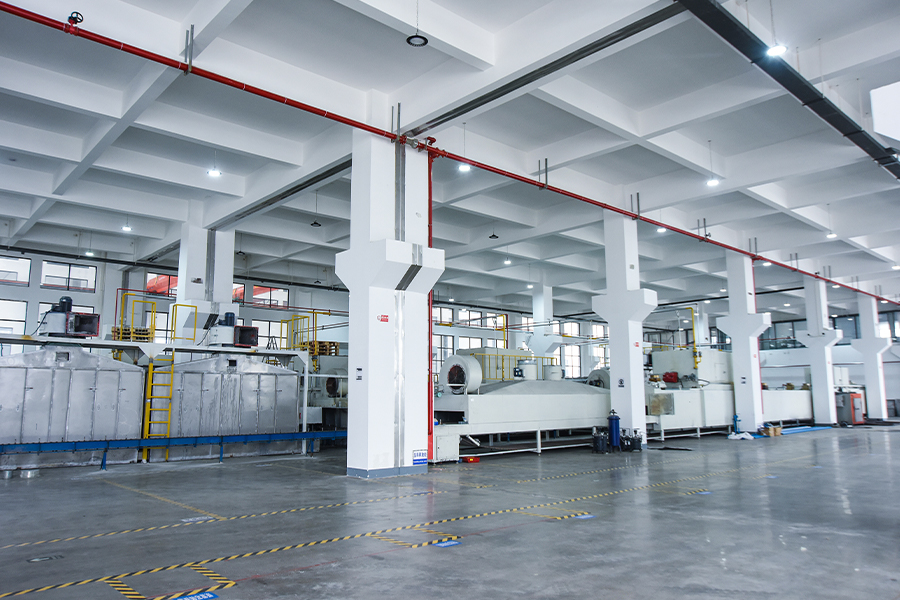
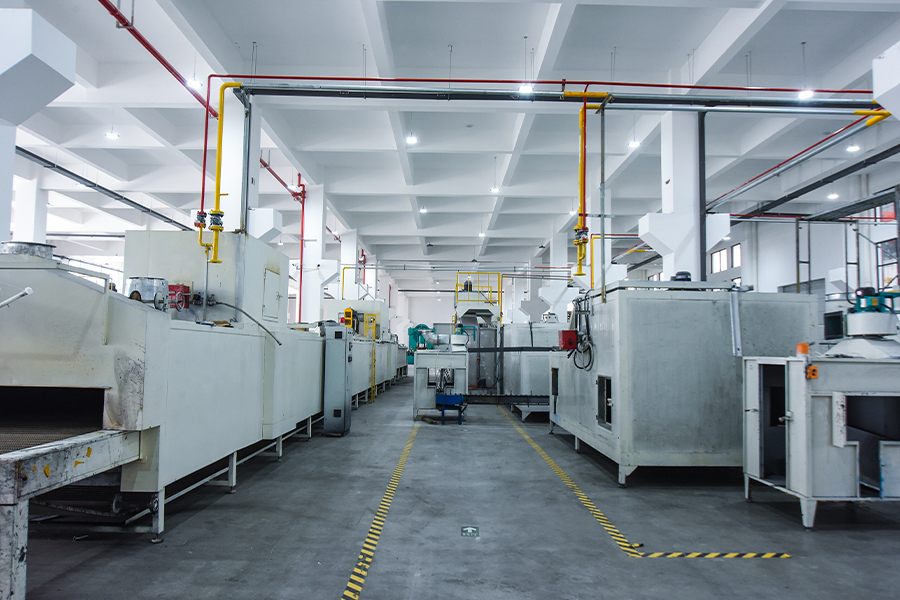
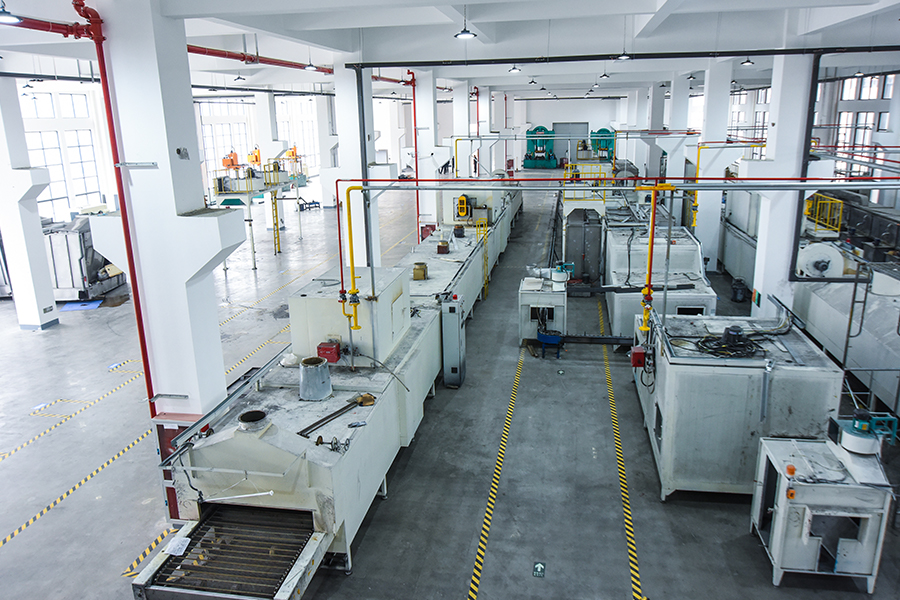
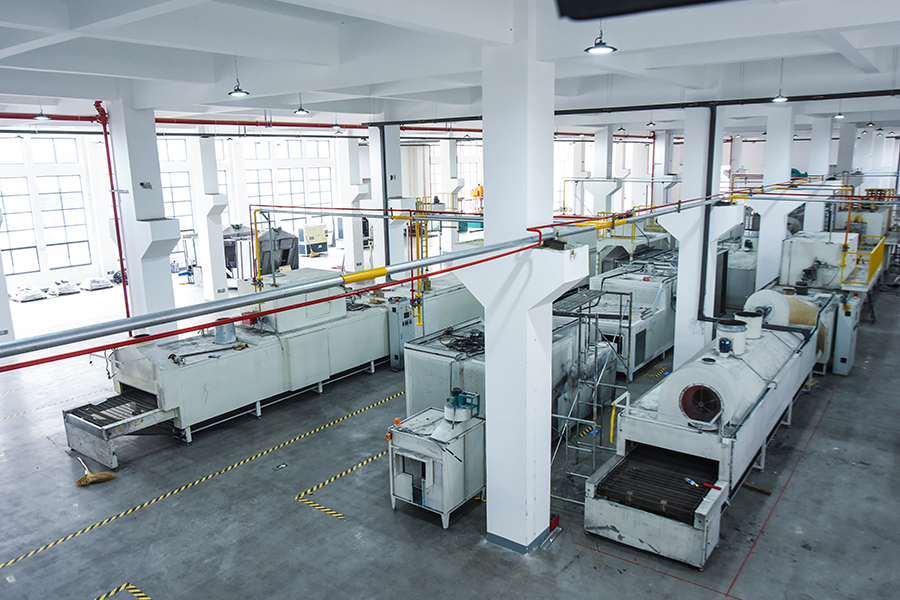
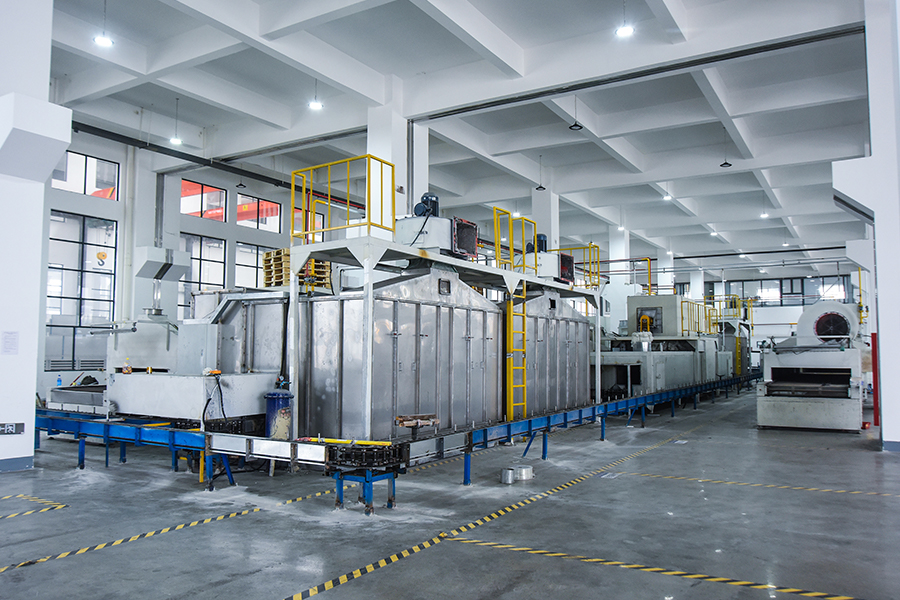
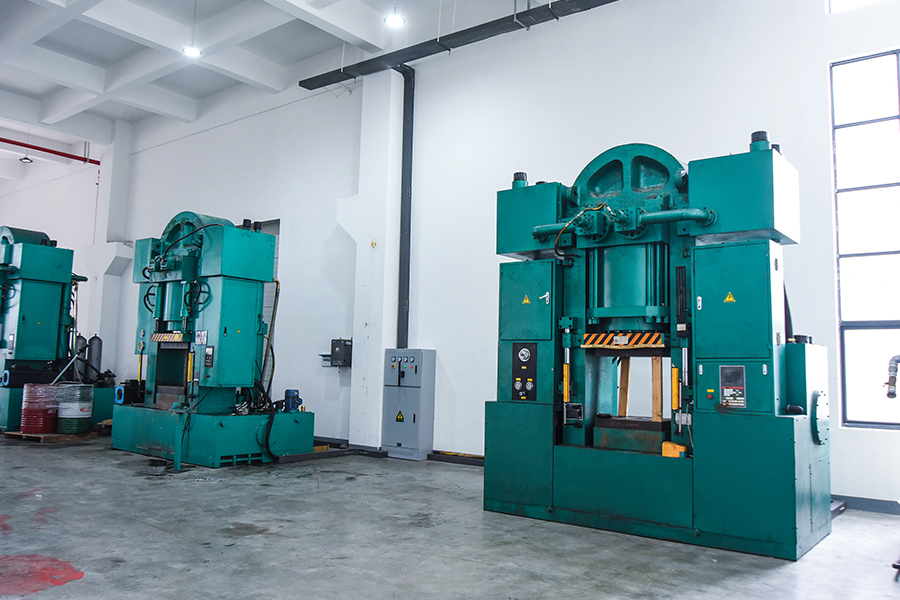
located in the rising seaport city of Ningbo. It is professional China Pressed Aluminum Casserole Manufacturers and Wholesale Pressed Aluminum Casserole Factory engaged in the production of mid and high-grade Pressed Aluminum Casserole. It expected productive capacity is 400000 pieces per month. VELINA emphasizes controlling both productive processing and raw materials. The quality of cookware is mid to high. grade with a reasonable price by right of advanced productive facilities and specialized technical talent. NINGBO VELINA KITCHENWARE CO., LTD. is a rapidly developing factory. Support ODM/OEM. We hope we can join hands to create a refulgence and bright future.
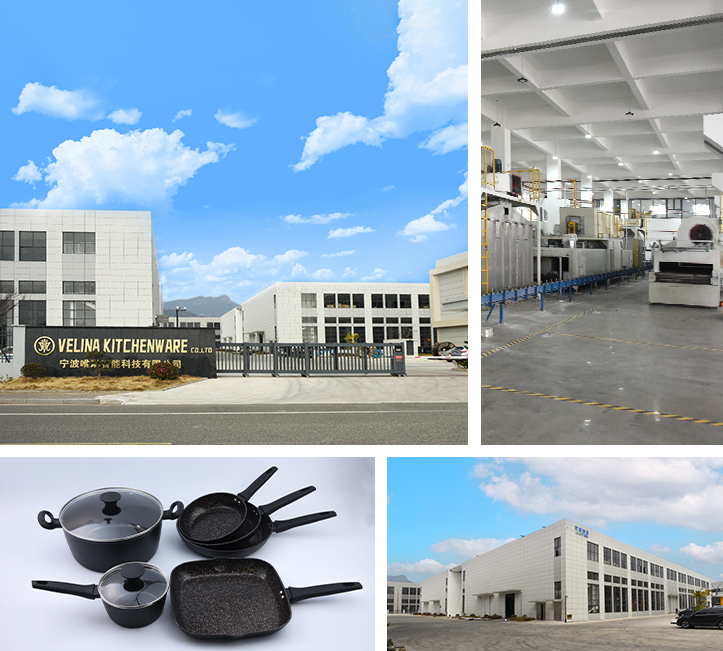
Real factory photos
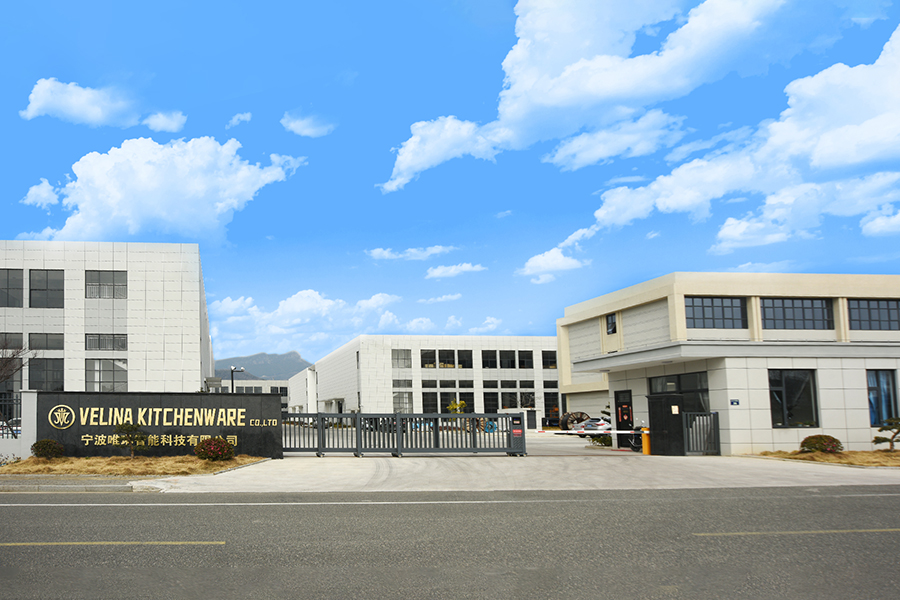
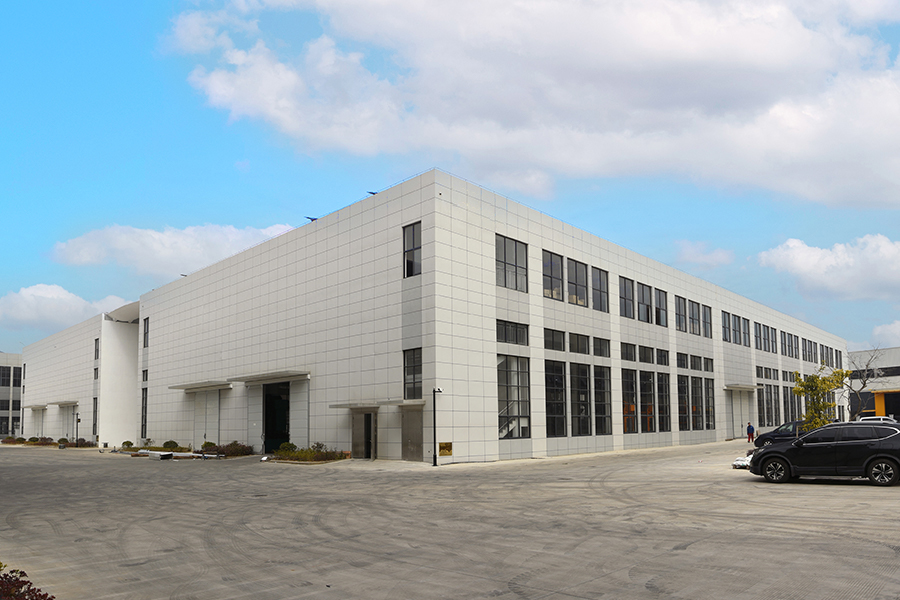
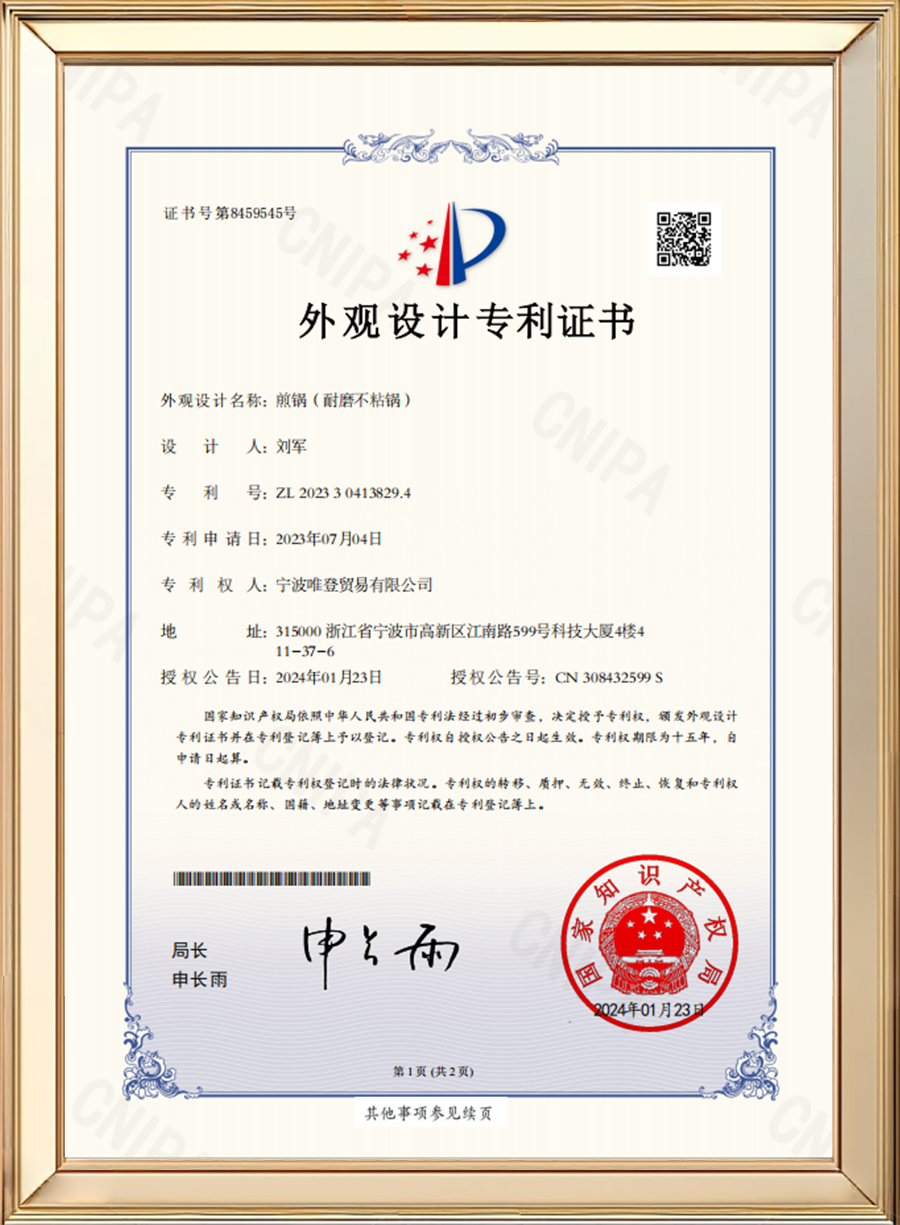
Real honour photos

VELINA - Jul 16, 2026
VELINA - Jul 09, 2026
VELINA - Jul 02, 2026
VELINA - Jun 26, 2026
Introduction to Pressed Aluminum Casserole
A pressed aluminum casserole is manufactured through metal pressing technology, which ensures uniform thickness and a seamless design. This technology provides several benefits, such as faster heat conduction, even temperature distribution, and enhanced resistance to deformation. It is widely used for stewing, simmering soup, cooking porridge, and other daily cooking methods. Unlike welded cookware, the pressed aluminum casserole is less likely to leak, easier to clean, and maintains cooking hygiene at a higher level. In the global cookware market, pressed aluminum products have been gaining attention because of their affordability, lightweight structure, and attractive appearance. However, one technical concern often raised is whether the inner wall requires additional coating to prevent oxidation during long-term use.
Understanding Oxidation in Aluminum Cookware
Aluminum, as a metal, naturally forms a thin oxide layer when exposed to air. This oxide layer can protect the metal to some extent, but when exposed to cooking conditions such as high heat, acids, or salts, the oxidation process may accelerate. Oxidation could affect both the appearance of the cookware and the safety of food preparation. The risk of oxidation in pressed aluminum casseroles is higher than in stainless steel cookware because aluminum is more reactive. The question of whether an inner coating is necessary depends on balancing safety, durability, and production cost.
Common Coatings Applied to Aluminum Cookware
In the cookware industry, several types of coatings are applied to prevent oxidation and enhance usability. Non-stick coatings such as PTFE, ceramic layers, or hard-anodized finishes are common. Each coating has different characteristics in terms of durability, heat resistance, and maintenance requirements. For pressed aluminum casseroles, coatings are particularly relevant because they can extend the product’s lifespan and improve customer satisfaction by avoiding black spots or surface roughness caused by oxidation.
Common Inner Wall Coatings in Aluminum Cookware
| Coating Type | Main Function | Durability | Cleaning Convenience | Cost Impact |
|---|---|---|---|---|
| PTFE (Non-stick) | Prevents food adhesion, reduces oil | Moderate | Very easy | Moderate |
| Ceramic | Resistant to high temperature | Moderate to High | Easy | Higher |
| Hard Anodizing | Enhances corrosion resistance | High | Easy | Higher |
| No Coating | Relies on natural oxide layer | Low to Moderate | Medium | Lowest |
Benefits of Adding a Coating to Pressed Aluminum Casseroles
Adding a coating inside a pressed aluminum casserole helps reduce direct contact between food and raw aluminum. This ensures that acidic foods such as tomato soup or vinegar-based stews do not accelerate oxidation. A coating also enhances cleaning convenience, as food residue is less likely to stick to the pot. Furthermore, coatings can improve the cookware’s market competitiveness because consumers often associate non-stick or ceramic-coated products with higher practicality and safety.
Drawbacks of Using Coatings
While coatings provide protection, they also introduce potential drawbacks. Some coatings, particularly non-stick layers, may degrade at very high temperatures. If scratched by metal utensils, they could lose effectiveness and expose the aluminum surface underneath. Reapplying or restoring coatings is not practical for household consumers, which means once damaged, the casserole may be less durable. Therefore, manufacturers like VELINA KITCHENWARE CO,. LTD. must carefully evaluate whether to use high-quality coatings that balance durability with production cost.
Pressed vs. Forged Aluminum in Terms of Oxidation Resistance
Pressed aluminum casseroles have thinner walls compared to forged aluminum cookware. As a result, they may be more vulnerable to surface oxidation when exposed to frequent cooking at high temperatures. Forged cookware, on the other hand, is denser and often better at resisting deformation and corrosion. Therefore, coatings may be more critical for pressed aluminum than for forged aluminum.
Comparison of Pressed and Forged Aluminum Cookware
| Feature | Pressed Aluminum Casserole | Forged Aluminum Cookware |
|---|---|---|
| Wall Thickness | Thin and lightweight | Thick and dense |
| Deformation Resistance | Moderate | High |
| Oxidation Resistance | Lower without coating | Higher even without coating |
| Lifespan | Moderate | Longer |
| Cost | Lower | Higher |
Consumer Expectations in Modern Kitchens
Modern consumers prioritize both convenience and health when selecting cookware. Many households expect casseroles to resist staining, corrosion, and food sticking. In markets such as Europe and North America, customers often demand that aluminum cookware has some form of protective coating. For VELINA KITCHENWARE CO,. LTD., aligning product design with consumer expectations means adopting coatings that prevent oxidation while maintaining cost-effectiveness.
Hygiene and Cleaning Considerations
A coating inside a pressed aluminum casserole not only prevents oxidation but also helps with food hygiene. Without a coating, microscopic roughness on the aluminum surface may trap food particles, making cleaning more difficult. A smooth coating avoids this issue, helping users save time while reducing bacterial growth. Therefore, adding a coating can directly contribute to higher hygiene standards in daily cooking.
Cleaning Efficiency With and Without Coating
| Factor | With Coating | Without Coating |
|---|---|---|
| Food Residue | Very little | Higher |
| Cleaning Time | Short | Longer |
| Stain Resistance | High | Low |
| Hygiene Level | Higher | Moderate |
Market Perspective for Coated Pressed Aluminum Cookware
From a business perspective, coated cookware has higher appeal in the international market. VELINA KITCHENWARE CO,. LTD., with its production capacity of 400,000 pieces per month, can use advanced production lines to apply coatings efficiently. This increases the overall value of pressed aluminum casseroles without significantly raising the price point. The company’s focus on mid and high-grade cookware ensures that coatings can be positioned as part of its branding strategy to attract quality-conscious customers.
Cost-Benefit Analysis of Coating Application
When considering whether to add coatings, manufacturers need to evaluate production costs against product lifespan and consumer demand. A casserole without coating may be cheaper to produce but could have a shorter market life and higher return rate. On the other hand, a casserole with coating may cost more initially but will satisfy more customers and generate long-term brand loyalty.
Cost-Benefit Analysis of Adding Coatings
| Aspect | With Coating | Without Coating |
|---|---|---|
| Production Cost | Higher | Lower |
| Market Price | Moderate to High | Low to Moderate |
| Customer Satisfaction | Higher | Moderate |
| Product Return Rate | Lower | Higher |
| Brand Competitiveness | Stronger | Weaker |
The Role of VELINA KITCHENWARE CO,. LTD. in Product Innovation
As a rapidly developing company located in Ningbo, VELINA KITCHENWARE CO,. LTD. places emphasis on controlling both production processing and raw materials. With its specialized technical talent and advanced facilities, the company is capable of producing mid and high-grade aluminum non-stick cookware that balances durability and affordability. By integrating coatings in pressed aluminum casseroles, the company can further strengthen its position in the competitive cookware market.

 +86-0574-8752 8736
 [email protected]
COPYRIGHT © NINGBO VELINA KITCHENWARE CO., LTD.
 Wholesale Pressed Aluminum Casserole Manufacturers

 English
 Español