Coming From China, Marketing To The World.
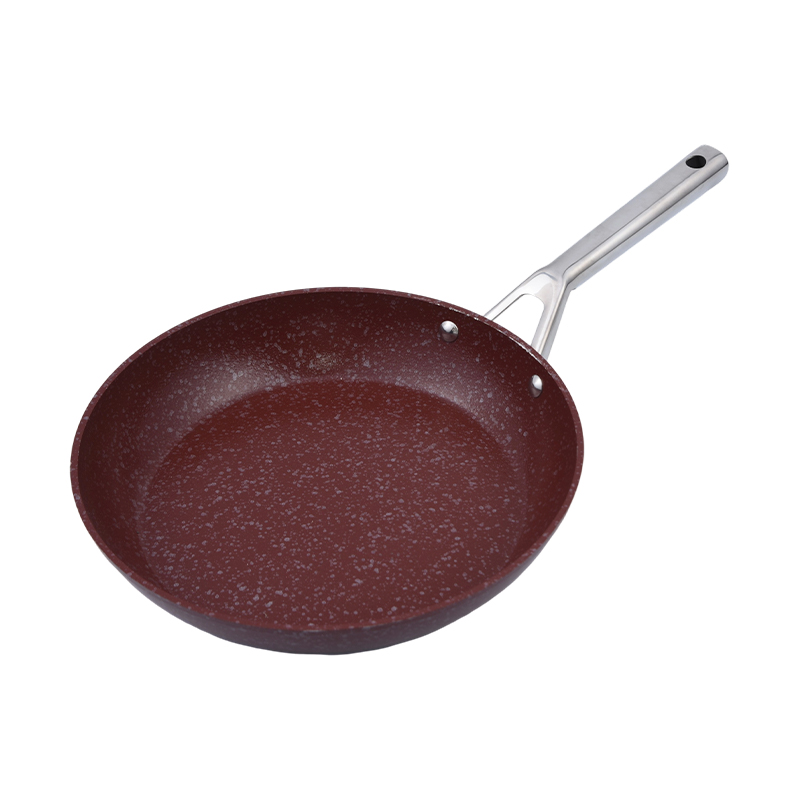
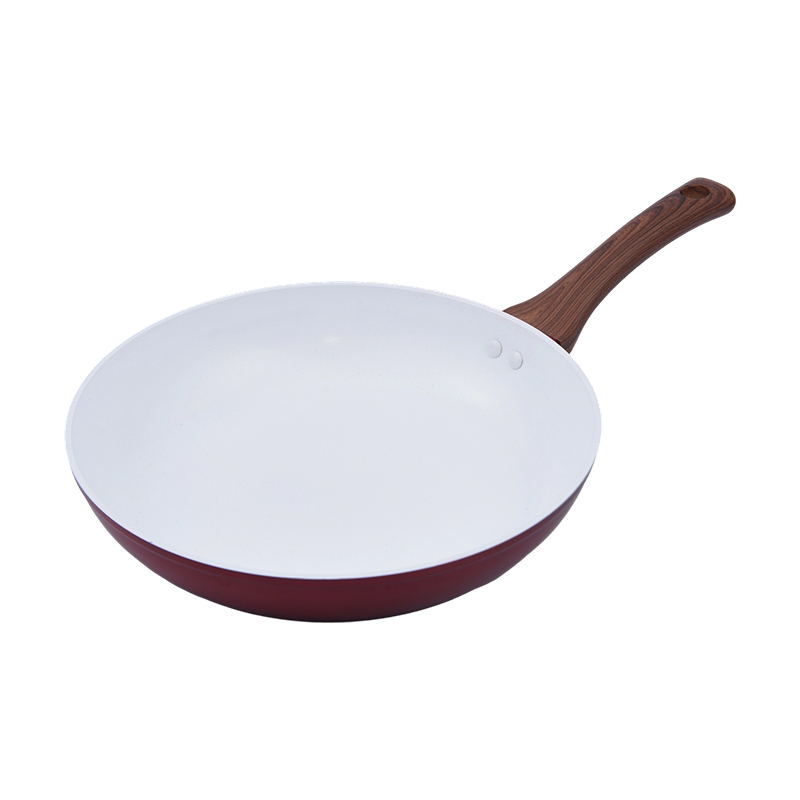
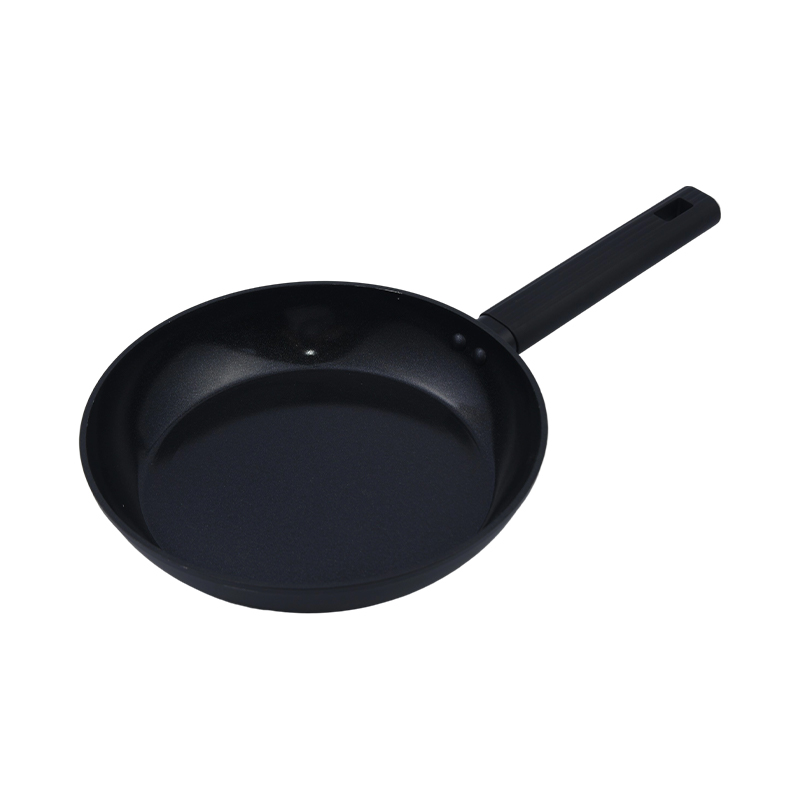
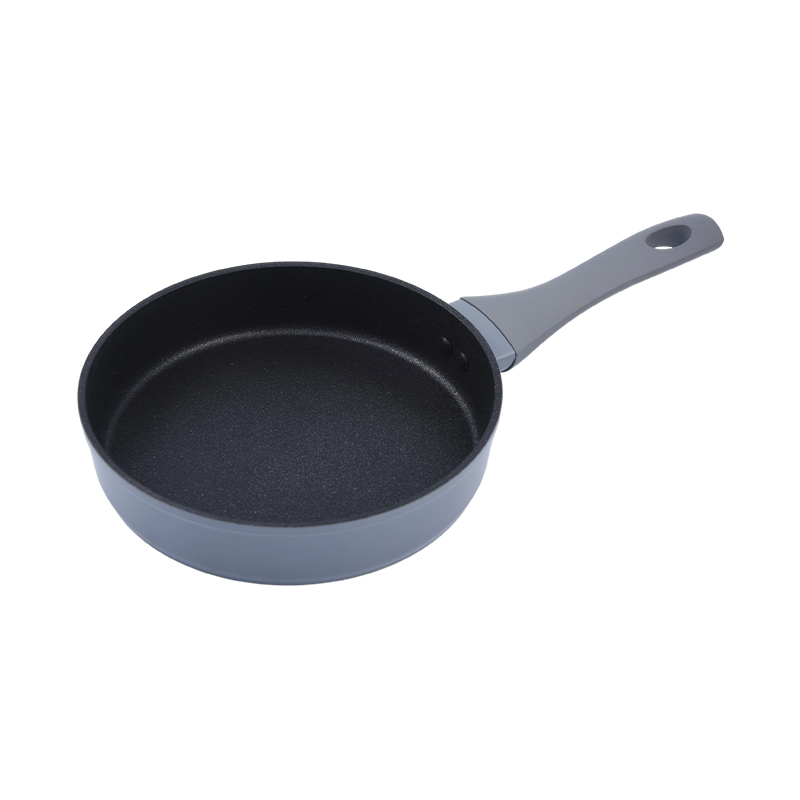
located in the rising seaport city of Ningbo. It is professional China Aluminum Non-Stick Pan Manufacturers and Custom Ceramic Non-Stick Pan Factory engaged in the production of mid and high-grade Patented Coating PTFE Free Harder Non-Stick Pan. It expected productive capacity is 400000 pieces per month. VELINA emphasizes controlling both productive processing and raw materials. The quality of cookware is mid to high. grade with a reasonable price by right of advanced productive facilities and specialized technical talent. NINGBO VELINA KITCHENWARE CO., LTD. is a rapidly developing factory. Support ODM/OEM. We hope we can join hands to create a refulgence and bright future.
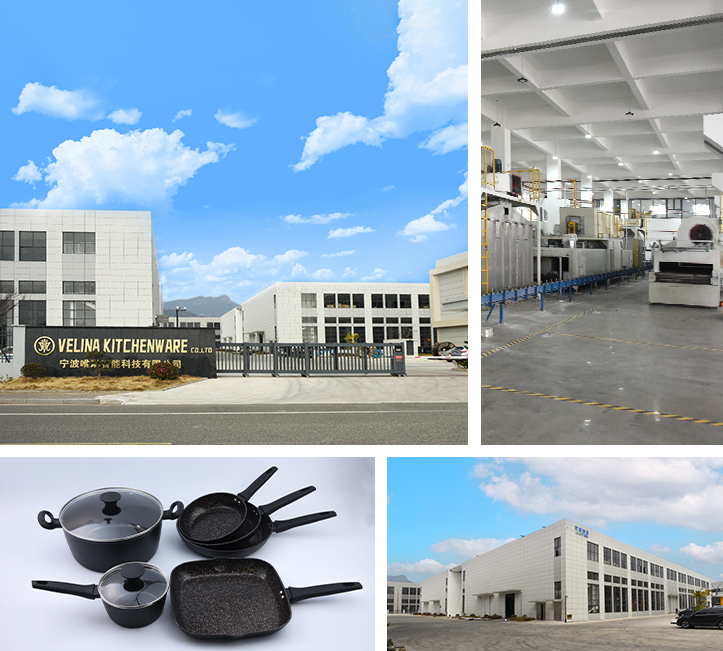
Real factory photos
Real honour photos

VELINA - Jun 18, 2026
VELINA - Jun 12, 2026
VELINA - Jun 05, 2026
VELINA - May 28, 2026
As an important daily necessity, aluminum cookware is widely recognized for its light weight, excellent thermal conductivity, and cost-effectiveness. However, the performance of aluminum cookware is not determined solely by the external coating or design, but more fundamentally by the substrate material. Different types of aluminum alloys and processing methods directly affect heat transfer efficiency, strength, durability, and forming process stability.
NINGBO VELINA KITCHENWARE CO., LTD., located in the dynamic seaport city of Ningbo, is a professional manufacturer specializing in mid- to high-grade aluminum non-stick cookware. With an expected productive capacity of 400,000 pieces per month, the company attaches great importance to both production technology and raw material control, ensuring stable quality at a reasonable cost.
Common Aluminum Substrates in Cookware
Currently, the main categories of aluminum substrates used in cookware manufacturing include:
3000 Series Aluminum Alloy (Manganese Alloyed)
Often used for pressed or spun cookware.
Offers good corrosion resistance and moderate strength.
Has relatively high formability, suitable for deep drawing processes.
5000 Series Aluminum Alloy (Magnesium Alloyed)
Provides higher strength compared to 3000 series.
Better resistance to deformation under high temperatures.
More suitable for cookware that requires both lightweight and durability, such as frying pans and sauté pans.
Forged Aluminum
Produced by forging aluminum billets under high pressure.
Features extremely high density, superior strength, and even heat distribution.
Commonly applied in premium cookware where longevity and performance are emphasized.
Die-Cast Aluminum
Formed by injecting molten aluminum into molds.
Allows complex shapes and thicker walls.
Provides good rigidity, but thermal conductivity is slightly reduced compared to forged or sheet aluminum due to higher porosity risks.
Comparative Performance Analysis
The following table highlights the differences of these materials in terms of thermal conductivity, mechanical strength, and forming ability:
|
Substrate Type |
Thermal Conductivity (W/m·K) |
Mechanical Strength |
Formability (Deep Drawing/Spinning) |
Typical Application |
|
3000 Series Alloy |
~180–200 |
Moderate |
Excellent |
Stock pots, pressed pans |
|
5000 Series Alloy |
~170–190 |
High |
Good |
Frying pans, sauté pans |
|
Forged Aluminum |
~200–220 |
Very High |
Limited (not for deep draw) |
High-end frying pans, woks |
|
Die-Cast Aluminum |
~150–170 |
Moderate–High |
Complex shapes possible |
Grill pans, thick-bottom pans |
In the production of aluminum non-stick pans, the coating process is a critical step in determining product performance and lifespan. The coating not only impacts the cooking experience but also its wear resistance, safety, and durability. Modern aluminum pan coatings typically utilize a multi-layered design, achieving a balance between adhesion, wear resistance, and nonstick properties through distinct layers of work.
NINGBO VELINA KITCHENWARE CO., LTD., located in the vibrant port city of Ningbo, is a professional manufacturer specializing in mid-to-high-end aluminum nonstick pans, with a monthly production capacity of 400,000 units. Throughout its development, the company has consistently emphasized production process control and raw material quality to ensure that each product balances quality and value. In terms of coating technology, VELINA combines industry standards with proprietary processes, creating a unique competitive advantage.
Common Coating Layer Structure and Functions
Modern aluminum pan nonstick coatings typically consist of three to five layers, varying depending on product positioning and intended use, but generally sharing the same basic functionalities:
Primer Layer
Main Function:
Enhances adhesion between the coating and the aluminum substrate. Combined with surface pretreatment (such as sandblasting or etching), a strong bonding interface is formed.
Technical Significance:
The base layer serves as the "glue" of the entire coating system. If adhesion is insufficient, the subsequent middle and top layers will flake off during use, shortening the life of the cookware.
Mid-Coating (or Reinforcement Layer)
Main Function:
Improve the wear and scratch resistance of the overall coating.
In some designs, ceramic particles or other reinforcing fillers are added to the mid-layer to form a skeletal structure.
Technical Significance:
The mid-layer is a key component in determining the lifespan of the cookware. It effectively dissipates mechanical stress from metal spatulas and cleaning tools during cooking.
Top Layer (or Non-Stick Layer)
Main Function:
Provides a smooth non-stick finish, reducing food residue.
Improves the ease of cleaning of the cookware and reduces grease residue, meeting the needs of modern healthy cooking.
Technical Significance:
The top layer is the part that consumers most directly perceive, and its performance directly determines user experience and product satisfaction. 4. Optional Protective Layer
Some high-end products feature an additional transparent or translucent protective layer.
Function: Improves scratch resistance, heat resistance, and extends the life of the overall coating.
Coating Layer Comparison Table
|
Layer |
Primary Function |
Technical Contribution |
|
Primer Layer |
Bonding to aluminum substrate |
Ensures adhesion, prevents peeling |
|
Mid-Coating Layer |
Reinforcement with fillers (e.g. ceramic) |
Provides wear resistance, durability |
|
Top Layer |
Non-stick surface |
Enhances release property and cleaning |
|
Protective Top Layer |
Extra resistance (optional) |
Improves scratch resistance, longevity |
VELINA's Professional Advantages
In VELINA KITCHENWARE CO., LTD.'s production lines, coating processes are a key priority. Leveraging advanced production equipment and a professional technical team, the company is able to select different coating combinations based on the customer's market position:
Mid-range product lines typically utilize a three-layer structure, balancing cost and performance, suitable for high-volume distribution.
High-end product lines utilize a multi-layer composite structure and reinforced fillers for enhanced wear resistance, ensuring the cookware can withstand even more intensive use.
VELINA's production process prioritizes not only raw material quality but also process stability. Before packaging, each product undergoes adhesion, abrasion, and non-stick testing to ensure that the products delivered to customers meet mid-range and high-end market requirements.

 +86-0574-8752 8736
 [email protected]
COPYRIGHT © NINGBO VELINA KITCHENWARE CO., LTD.
 Custom Ceramic Non-Stick Pan Manufacturers

 English
 Español